The Ink of Memory
There is a specific silence that follows the death of a language. It is not a quiet room or a lack of noise, but the disappearance of a particular way of naming the world. I think of my grandmother’s kitchen, where she spoke a dialect that now exists only in the back of my throat, unpracticed and fraying. When she left, the words went with her, leaving behind a hollow space where stories used to live. We often mistake the physical body for the entirety of a person, but we are also made of the songs we hum and the specific, rhythmic ways we describe the rain. When those things vanish, we are left with the ghost of a sound, a vibration that no longer has a vessel. We carry these echoes like stones in our pockets, heavy and smooth, wondering if anyone else can hear the music that has stopped playing. If a story is told in a room where no one understands the tongue, does it still hold its weight?

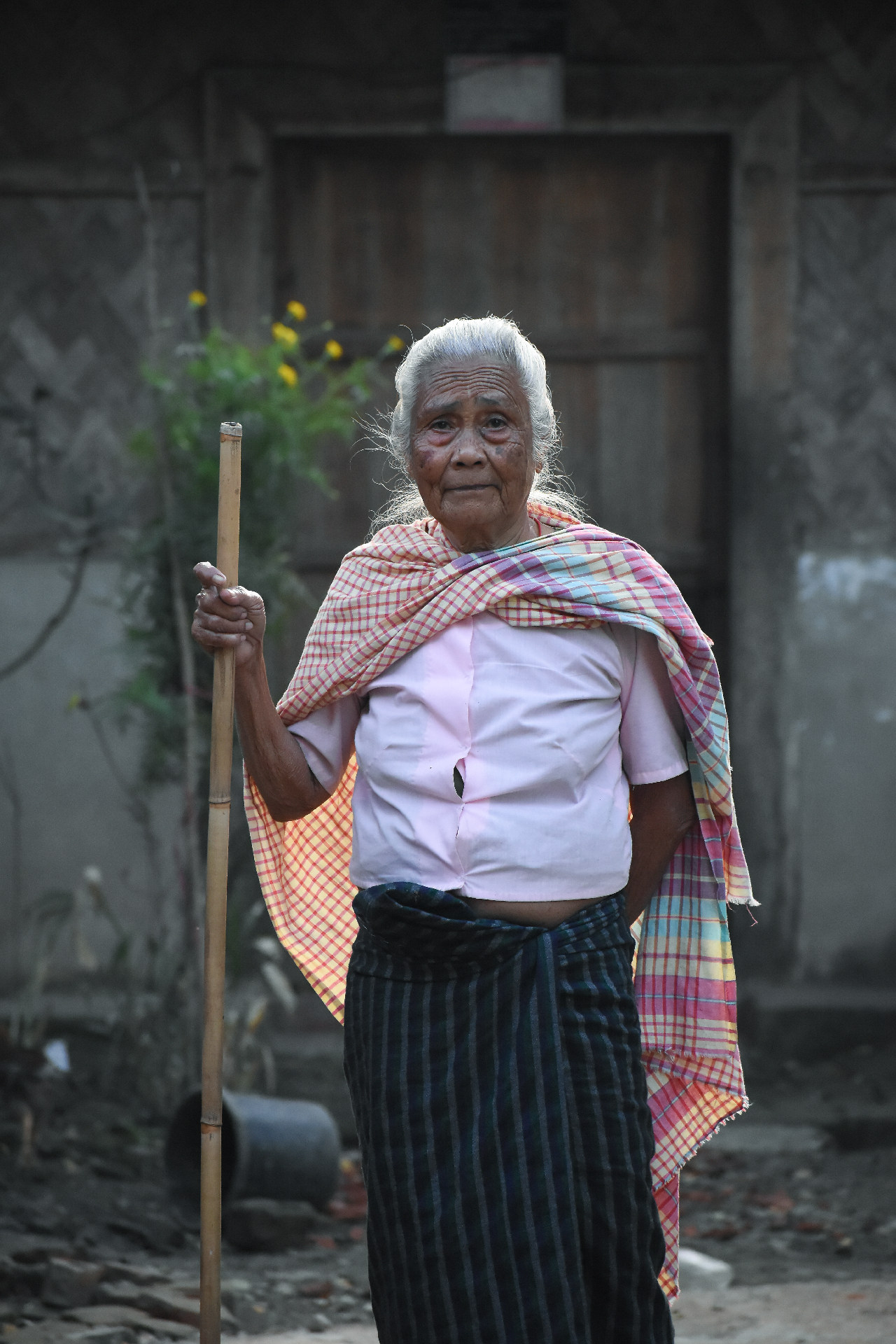
Shirren Lim has captured this profound weight in her beautiful image titled Chin Tribe. She invites us to look past the surface and into the quiet, enduring history etched upon a face. What do you see when you look at the lines that time has left behind?