
The Architecture of Joy
We often mistake the city for its hard surfaces—the concrete, the steel, the rigid zoning laws that dictate where we belong and how we must move. But the true document of a place is found in the spaces between the structures, in the pockets of autonomy where human connection defies the grid. When we look at how people inhabit a landscape, we see that joy is not merely an emotion; it is a form of resistance against the sterility of planned environments. In the vast, open reaches where the traditional dwelling meets the horizon, the social fabric is woven not by infrastructure, but by the spontaneous, unscripted interactions that occur when we step outside our designated roles. Who is allowed to be truly present, unburdened by the expectations of the state or the economy? When we strip away the walls and the pavement, we are left with the raw, human geography of belonging. If the city is a machine for living, what happens to the parts that refuse to be mechanical?
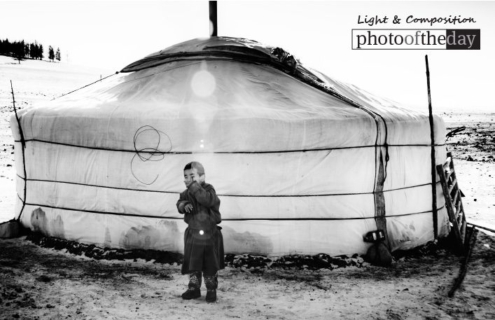
Shirren Lim has captured this spirit in her beautiful image titled Glee. It reminds me that even in the most expansive landscapes, the most important geography is the space between two people. Does this moment of pure expression change how you view the boundaries of a home?