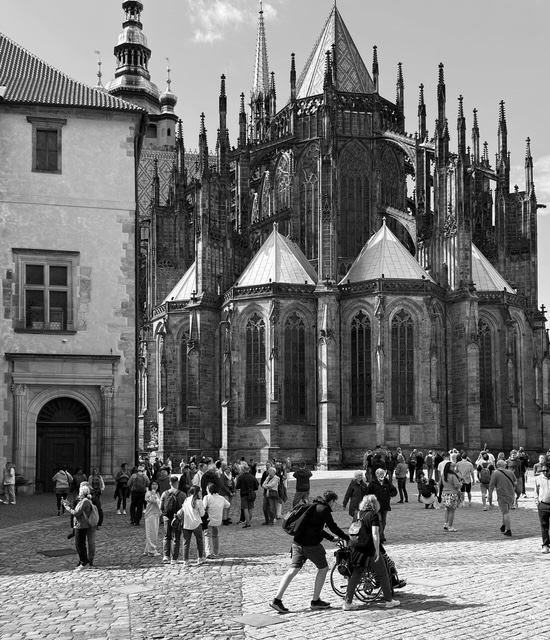
The Architecture of Breath
Memory is a landscape that shifts with the weather. We carry our histories like heavy stones, yet sometimes, the morning arrives with a soft, grey veil that blurs the sharp edges of what we think we know. In the quiet hours, before the world begins its frantic pulse, there is a space where the solid becomes ethereal. It is in this suspension—this thinning of the air—that we find the truth of things. We build monuments to permanence, carving our intentions into the earth, hoping to anchor ourselves against the tide of time. But even the grandest structures are merely guests of the mist, waiting for the sun to decide when they shall be revealed or when they shall dissolve back into the silence. To stand in such a place is to realize that we are not the masters of our surroundings, but rather, we are the witnesses to a slow, unfolding grace. If the stone itself can learn to breathe with the fog, what are we still holding onto so tightly?

Shirren Lim has captured this profound stillness in her work titled Taj Mahal. It is a reminder that even the most enduring icons are softened by the gentle touch of the morning. Does this quietude invite you to set down your own burdens for a moment?