Crows Haunt by Tetsuhiro Umemura
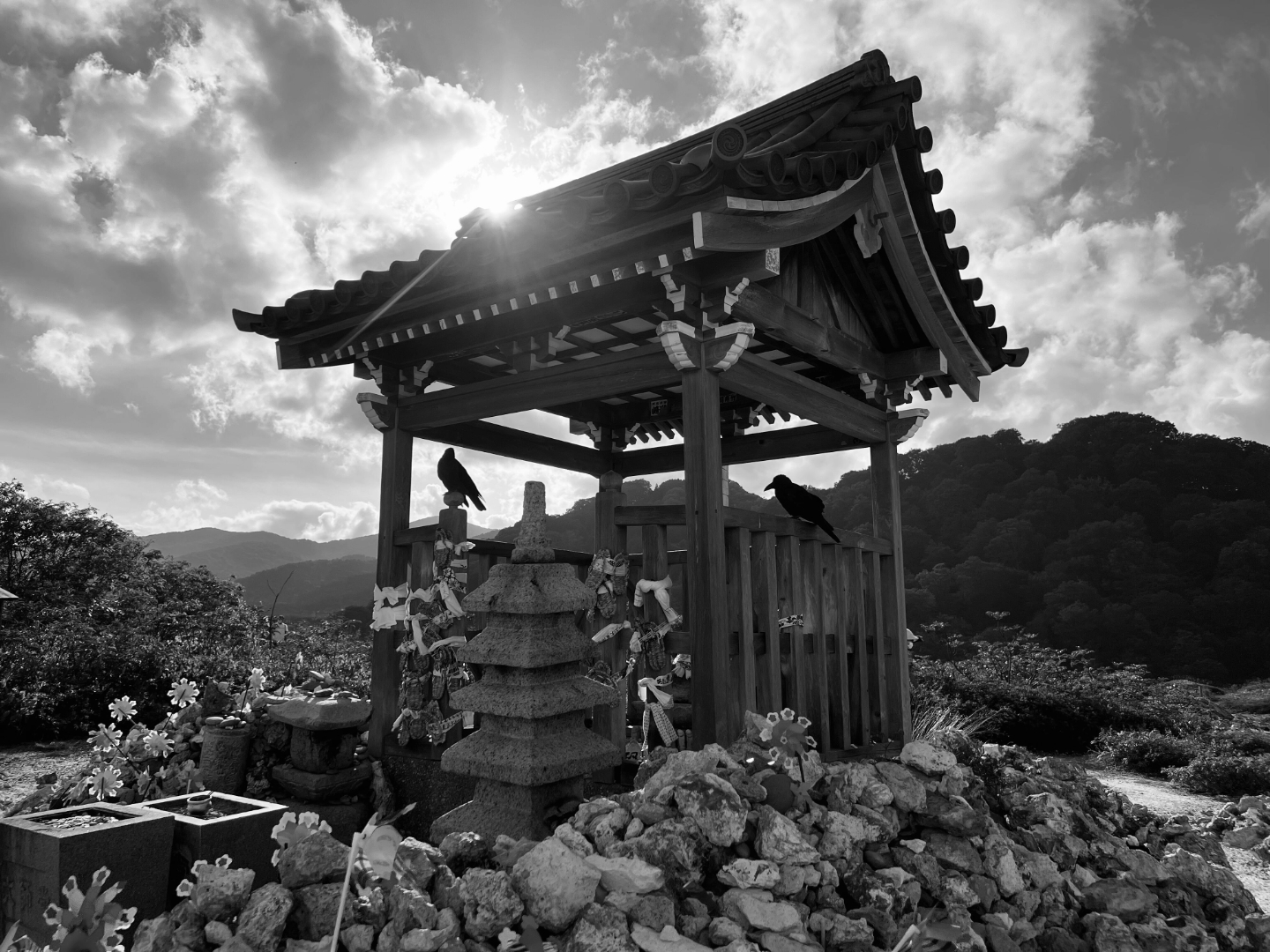
Captured at Mount Osore, a site steeped in folklore as a gathering place for the departed, this image reflects the stark, ethereal beauty of a landscape defined by its extreme conditions. The photographer navigated the challenges of the high-sulfur environment—which renders professional camera equipment unusable—by opting for an iPhone 13 Pro to document the scene. The resulting photograph captures the haunting, snowy stillness of this restricted location, transforming a technical limitation into a creative triumph. The image is award-worthy for its atmospheric depth and the photographer's ability to preserve the solemn, mystical character of one of Japan’s most isolated and spiritually significant terrains.
Tetsuhiro Umemura
Born in Tokyo in 1960, Tetsuhiro Umemura is a distinguished professional with a long-standing career as a TV director at TV Asahi Co., Ltd. His extensive background in video production informs his photographic practice, allowing him to blend technical precision with a keen eye for narrative. Beyond his media work, he serves as a lecturer and dedicates his creative energy to documenting Japan’s lesser-known landscapes and emerging musical talent. Through his evocative imagery, Umemura strives to reveal the hidden treasures of his homeland to a global audience.
Resonance Score Breakdown
Transparency Note: The resonance score (6.3/20) is calculated based on social engagement metrics collected before the award announcement.
Expert Photography Reviews · 5
The Weight of Quiet
I spent this morning trying to clear out my junk drawer. It is one of those small, domestic tasks I usually avoid, mostly because I hate deciding what is worth keeping and what is just clutter.
Read the reflection →The Silence of White
There is a particular stillness that arrives with the heavy, wet snow of late February, a silence so absolute it feels as though the air itself has stopped moving. In the north, we know this weight.
Read the reflection →Reviews & Comments
Share your thoughts about this award-winning photograph. Your reviews contribute to the community engagement score.
Mount Osore demands reverence, yet I’m unsettled by the casual convenience of an iPhone lens here. Does the sulfurous air truly justify this digital shortcut, or does it cheapen a site defined by ancestral grief? The crows look sharp, but the composition feels thin, almost tourist-like against such profound spiritual weight. I find myself shivering, not from the cold, but from the detachment. Why capture the afterlife if you aren’t willing to suffer for the frame?
Mount Osore is a place where the veil between worlds wears thin, and Umemura’s choice to use an iPhone feels like an act of humility rather than a limitation. The crows aren’t just silhouettes; they’re sentinels in a landscape that demands silence. I feel a chill looking at those stark, sulfur-stained rocks. It’s haunting, but it’s honest. You can tell the photographer stood there with respect, listening to the wind instead of just taking.
Most photographers would have let the sulfurous air at Mount Osore dictate their failure. Instead, Umemura’s choice of a phone camera strips away the pretension of high-end gear, leaving only the raw, biting silence of the landscape. The crows aren’t just silhouettes; they’re anchors in a void. It’s haunting, and honestly, it makes me shiver. In thirty years, this stark, monochromatic stillness will still feel like a ghost story told in the dark.
The frame’s geometry is unforgiving. A stark, diagonal void bisects the snowy expanse, forcing the eye toward the jagged silhouettes of the crows. It’s a brutal, minimalist architecture that demands total submission. The negative space doesn’t just breathe; it exerts a gravitational pull that anchors the entire picture plane. I’m genuinely unsettled by how the sulfurous haze dissolves the horizon. It’s rare to find such cold, structural precision in a handheld capture. The composition holds.
Mount Osore isn’t merely a landscape; it’s a threshold. Umemura’s choice to embrace the iPhone’s digital grit feels like a deliberate surrender to the sulfurous void. The shadows here don’t hide the crows; they anchor them to the afterlife. I’ve spent hours staring into these charcoal voids, and frankly, it’s chilling. When the light fails, the image finally begins to think. It doesn’t invite us in; it demands we acknowledge the weight of what remains unseen.