Leave a Reply
Want to join the discussion?Feel free to contribute!

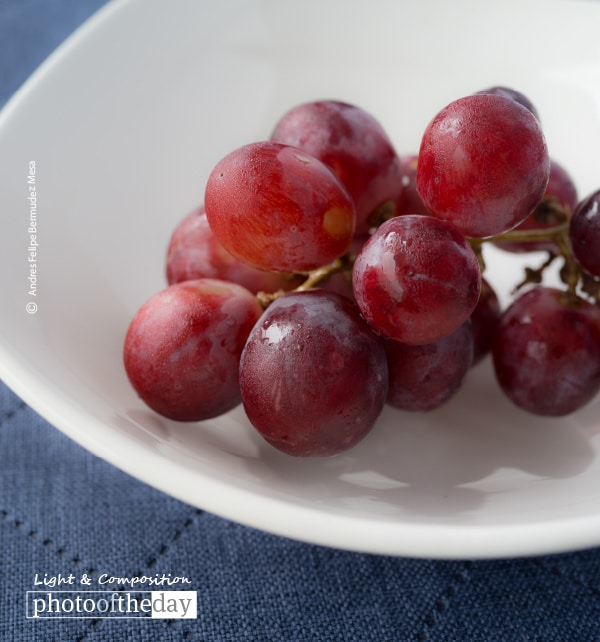
In this evocative food study, Andres Felipe Bermudez Mesa captures the vibrant, natural essence of red grapes. Taken in the quiet moments before a meal, the photograph highlights the fruit's rich texture and color under soft, natural light. The photographer’s creative decision to focus on simplicity elevates a common kitchen staple into a compelling visual narrative, emphasizing the beauty of everyday ingredients. This image is award-worthy for its clean composition and the photographer's ability to transform a simple culinary subject into a sophisticated, high-clarity piece of art that celebrates the intersection of nutrition and aesthetics.
Born in Colombia, Andres Felipe Bermudez Mesa is a Medellín-based photographer who views himself as a citizen of the world. With a background in engineering, he transitioned his professional focus toward photography to make a more meaningful contribution to society. His work is defined by a commitment to simplicity, with a specialized focus on food and portraiture that reflects his deep, long-standing passion for the craft.
Transparency Note: The resonance score (12.3/20) is calculated based on social engagement metrics collected before the award announcement.
There is a quiet gravity in the things we consume. We take them from the earth, wash away the dust, and place them on the table as if they were always meant to be there.
Read the reflection →I spent twenty minutes at the grocery store today just standing in the produce aisle. I was looking for a specific kind of apple, but I found myself distracted by a bowl of fruit sitting on a nearby display.
Read the reflection →
 Where Rivers Learn to Speak
Share your thoughts about this award-winning photograph. Your reviews contribute to the community engagement score.