The Architecture of Utility
I often find myself lingering near the hardware shops on the outskirts of the city, where the air smells of iron filings and heavy oil. There is a quiet, rhythmic dignity in the tools that build our world—the heavy wrenches, the serrated edges, the cold steel that bites into wood and stone to make room for our lives. We walk past these objects every day, rarely pausing to consider the geometry of their purpose. They are the silent architects of our comfort, designed to endure the friction of existence while we move through the streets, distracted by the weather or the hum of the tram. There is something profoundly grounding about a tool that knows exactly what it is meant to do. It does not ask for recognition; it simply waits for the hand that needs it. If we stopped to look closer at the things we take for granted, would we find that the most ordinary objects hold the most intricate secrets?
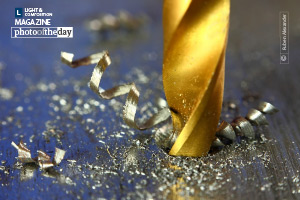
Ruben Alexander has captured this sense of hidden complexity in his photograph titled Drill Down. He invites us to look past the utility of the object and find the beauty in its sharp, metallic precision. Does this change how you see the tools tucked away in your own drawers?