The Clock That Stopped
There is a specific silence that lives in the lobby of a train station after the last departure has cleared the platform. It is not the silence of peace, but the silence of a held breath. I remember the heavy brass clock in my grandfather’s hallway, the one that stopped exactly three minutes after he died. It didn’t just stop telling time; it stopped being a participant in the rhythm of the house. We left it there, a frozen monument to a moment that refused to move forward. We think we are the masters of our schedules, carving up our days into manageable, productive segments, but we are only ever guests in the house of time. We measure our lives by the ticking, yet we are terrified of the stillness that follows when the gears finally seize. If we were to stop running, if we were to let the hands fall where they may, would we finally see the world as it is, or only as we have failed to use it? What remains when the urgency of the hour is stripped away?
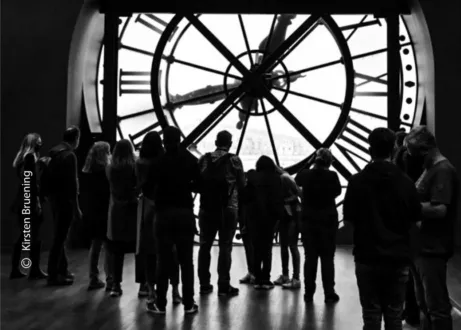
Kirsten Bruening has captured this tension beautifully in her image titled Never Waste Time. She invites us to stand in the quiet of a grand space and consider the weight of the minutes we spend. Does this stillness make you feel more present, or does it remind you of everything you have left undone?