The Geography of Skin
There is a specific texture to time that gathers in the creases of the palms. It feels like dry parchment or the rough, sun-baked bark of an ancient banyan tree that has stood through a thousand monsoons. When I close my eyes, I can almost smell the faint, metallic tang of dust settling on warm stone and the lingering sweetness of marigolds left in the heat. It is a heavy, grounded sensation, as if the earth itself has climbed up through the soles of the feet to settle into the marrow of the bones. We spend our youth trying to smooth out our edges, to erase the marks of our own history, yet there is a profound, quiet power in the lines that map a life. They are not just scars or signs of age; they are the physical records of every prayer whispered and every burden carried. Does the body ever truly forget the weight of the years it has held, or does it simply learn to wear them like a second, more resilient skin?
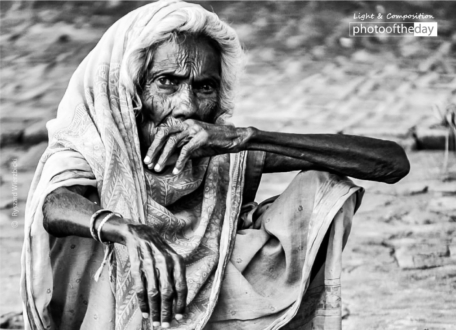
Ryszard Wierzbicki has captured this quiet endurance in his beautiful image titled An Old Woman of Bodh Gaya. The way the light traces the history written on her face invites us to pause and consider the stories we carry within our own skin. What do you feel when you look into the depth of her gaze?