The Architecture of Unfolding
The lotus emerges from the anaerobic muck of the pond floor, a slow, deliberate ascent through stagnant water toward the surface. It is a process of filtration; the plant draws sustenance from the decay of the bottom, yet the bloom itself remains pristine, its cellular structure repelling the very silt that birthed it. We often view our own growth as a linear climb, forgetting that our most radiant moments are frequently rooted in the darkest, most nutrient-rich layers of our past. We are, in essence, a reclamation of the mud we once occupied. To bloom is not to escape one’s origins, but to transform them into something that catches the light. If we could see the entire history of our own unfolding, would we still fear the sediment that feeds us, or would we recognize it as the necessary foundation for our own quiet, inevitable expansion?
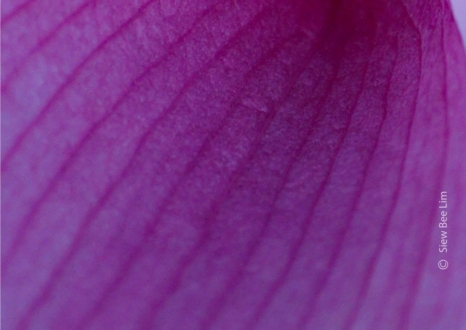
Siew Bee Lim has captured this delicate transition in the image titled A Petal of Lotus Flower. It serves as a gentle reminder of how beauty often relies on the unseen work happening beneath the surface. Does this stillness invite you to look closer at the roots of your own life?