The Architecture of Drift
We often mistake the city for its permanent fixtures—the concrete, the steel, the rigid lines of the grid. But the true life of a place is found in the margins, in the transient spaces where the built environment meets the shifting elements. There is a specific tension in how we occupy these zones; we are always negotiating our presence against the wind, the tide, and the encroaching emptiness. Some spaces are designed to hold us, to invite us to linger and interact, while others are merely conduits for our inevitable departure. We move through these landscapes like ghosts, leaving behind only the faintest impression on the sand or the pavement. When we strip away the noise of the crowd, we are left with the raw geography of our own isolation. Who is the city built for when the weather turns, and the comfort of the interior is stripped away, leaving only the exposed, shivering reality of the public square?
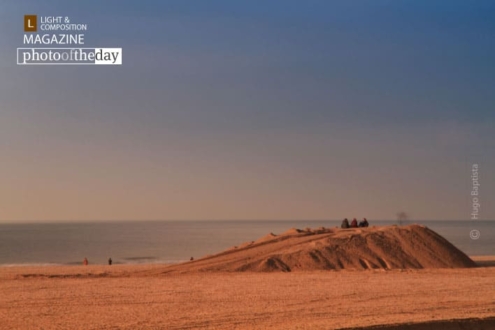
Hugo Baptista has captured this sense of fleeting presence in his work titled Scheveningen Dune. It serves as a stark reminder of how we drift through spaces that were never truly meant to be ours. Does the city feel more like a home or a temporary shelter to you?