The Weight of Sand
In the desert, time does not tick; it accumulates. We tend to think of history as a series of sharp, jagged events—wars, inventions, the sudden turning of a page—but in the vast, shifting dunes, history is merely the slow migration of grains. A single grain of sand is nothing, a microscopic speck of mineral indifference. Yet, when billions of them gather, they form a landscape that swallows the horizon and humbles the traveler. We spend our lives trying to build monuments that will outlast us, stacking our own small, frantic efforts against the wind. We want to be remembered, to leave a mark that the elements cannot erase. But the desert knows better. It teaches that the only way to endure is to be fluid, to accept the shape the wind gives you, and to understand that stillness is not the absence of movement, but the result of a thousand tiny shifts settling into place. If you were to stand in that silence, would you feel like a witness to history, or merely a guest of the dust?
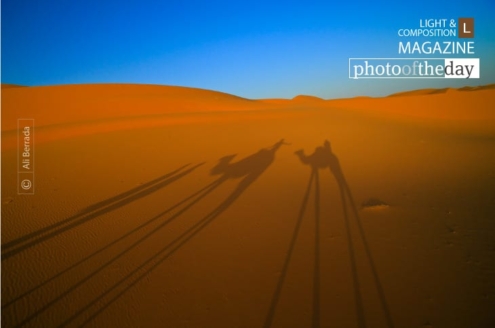
Ali Berrada has captured this profound sense of endurance in his image titled Camel Since 1913. It is a quiet meditation on the way we move through spaces that were old long before we arrived. Does the desert feel like a place of beginning or an end to you?