The Architecture of Silence
In the deep forest, the mycelium network operates in total darkness, connecting disparate roots through a silent, subterranean architecture that sustains the entire grove. It is a hidden infrastructure, a web of quiet exchange that allows the canopy to thrive long after the individual trees have weathered their storms. We often mistake stillness for an absence of life, yet in nature, the most profound work happens in the quietest spaces, away from the frantic movement of the surface. We spend our lives building walls and marking boundaries, convinced that our legacies are defined by what we construct in the light. But perhaps our true impact is found in the shadows we cast and the spaces we leave for others to breathe. If we stripped away the noise of our daily migrations, what kind of architecture would remain to hold the weight of our history? Is it possible that we are most connected when we are finally, completely still?
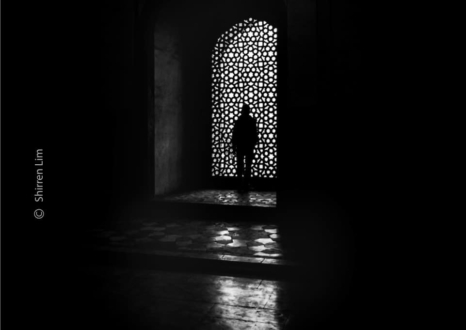
Shirren Lim has captured this profound sense of stillness in her image titled Inside Humayun Tomb. The way the light carves through the stone suggests that even the oldest structures are still breathing. Does this quiet space invite you to pause and listen to what the walls might be saying?