The Weight of Verticality
Cities are rarely built for the people who walk through them; they are built for the capital that flows beneath them. When we look at the skyline, we are reading a ledger of power. The taller the structure, the more it asserts a claim over the horizon, pushing the history of the street level into the shadows. We often mistake this density for progress, forgetting that every skyscraper is a vertical gated community, a monument to efficiency that frequently displaces the messy, organic life of the neighborhood. The ground floor is where the city breathes, where the informal economy thrives, and where the social fabric is woven. When we prioritize the vertical, we risk silencing the horizontal connections that make a city a home rather than a machine. Who is invited to occupy these heights, and who is relegated to the shrinking margins below? Is the city a shared living room, or is it merely a collection of silos waiting for the next wave of transformation?
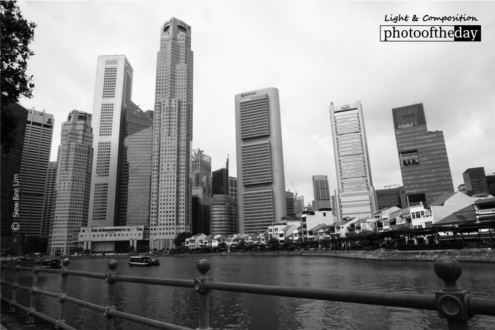
Siew Bee Lim has captured this tension in the image titled Tall Buildings. By placing the historic against the modern, she forces us to confront the shifting identity of our shared spaces. Does this skyline feel like a place for everyone, or are we just guests in someone else’s investment?