The Borders We Draw
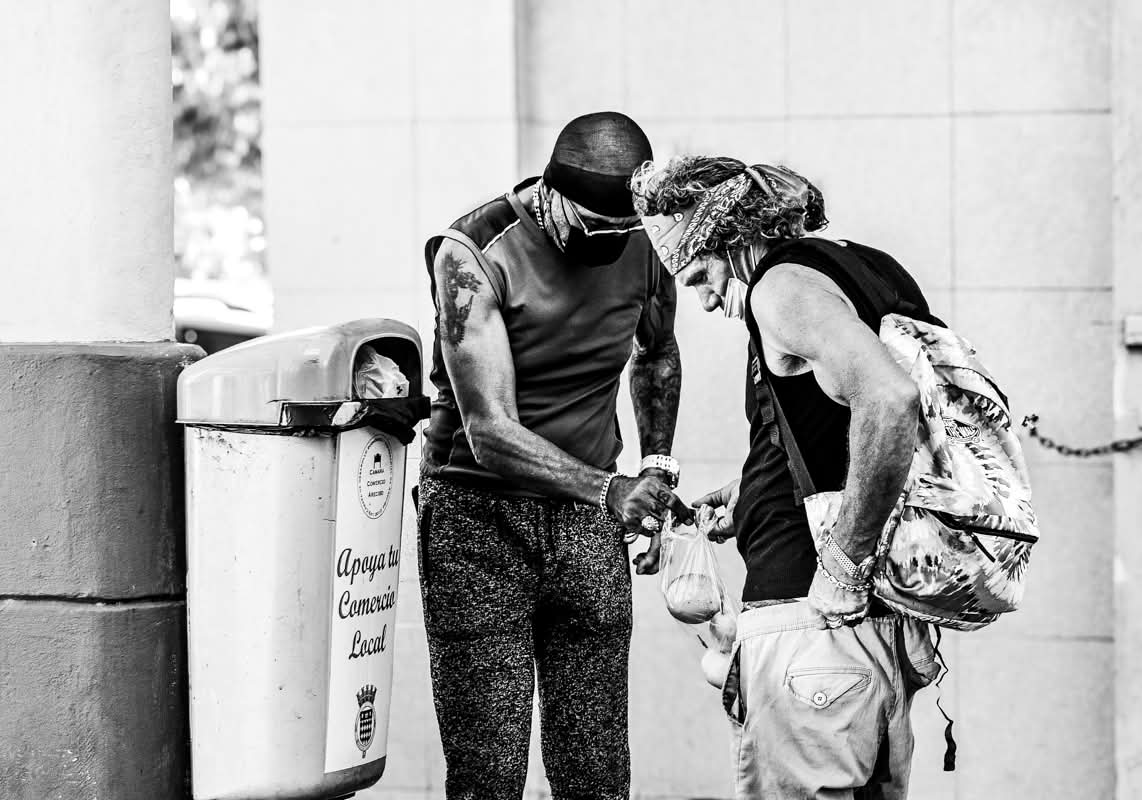
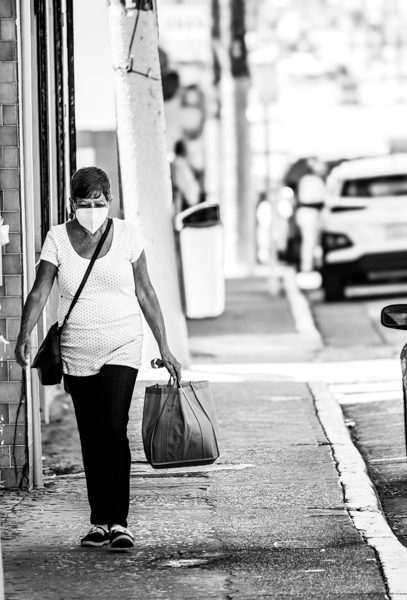
We often speak of the city as a human construct, a grid of concrete and policy designed to contain our movements and define our status. Yet, we forget that the city is merely one layer of a much older geography. Beyond the asphalt and the zoning laws, there exists a wilder, more persistent claim to the land. We build fences and designate territories, assuming that the space belongs to those who hold the deed or the permit. But look at the margins—the places where the built environment thins out and the natural world reasserts its right of way. Who is truly at home here? We are merely guests in a landscape that does not recognize our borders or our hierarchies. The tension between the wild inhabitant and the human observer reveals how much of our world is built on the illusion of ownership, and how little we actually understand about the neighbors we displace. If we removed the walls, would we still know how to share the ground beneath our feet?
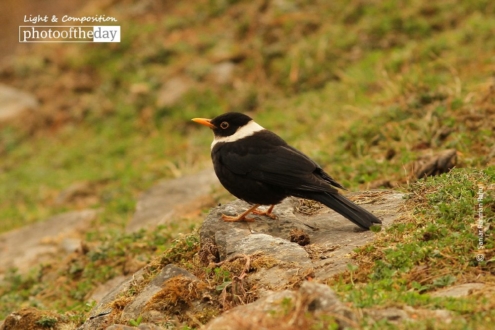
Saniar Rahman Rahul has captured this delicate presence in his work titled The White-collared Blackbird. It serves as a reminder that even in the most remote corners of our shared world, there are lives unfolding that owe nothing to our urban designs. Does this image change how you view the boundaries of your own neighborhood?