The Geography of Belonging
We often mistake the periphery for the margins, assuming that distance from the urban core equates to a lack of complexity. Yet, every settlement, no matter how remote, is a dense archive of human history and economic survival. When we look at those who live on the edges of modern infrastructure, we are seeing the people who maintain the ancient, invisible threads of trade and tradition that the city often forgets. These spaces are not empty; they are filled with the weight of generations who have negotiated their own terms of existence against the encroaching tide of globalization. Who owns the narrative of these hills? Is it the one who passes through with a camera, or the one who has spent a lifetime walking the same paths to market, carrying the literal fruits of their labor? We must ask ourselves if we are merely observing a curiosity or witnessing a vital, enduring architecture of human dignity that exists entirely independent of our own urban expectations.
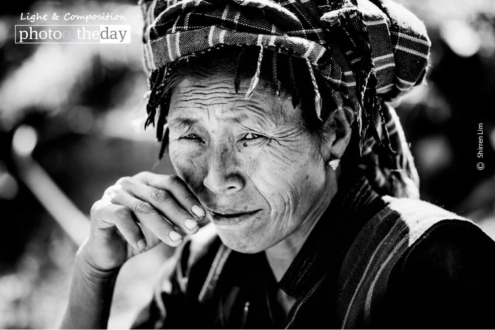
Shirren Lim has captured this quiet power in her portrait titled Pa-Oh. It serves as a reminder that the geography of a place is defined by the people who call it home, not by the maps we draw. How do you see the relationship between the individual and the land in this image?