The Architecture of Memory
Public spaces are never truly neutral. They are built to hold our collective stories, acting as stone-and-mortar archives of what a society deems worth remembering. When we gather in these sites, we are not just occupying geography; we are participating in a ritual of belonging. Some spaces are designed to command silence, while others are built to amplify the voices of those who were once silenced. The city acts as a document, recording the tension between the official history carved into monuments and the lived reality of the people who walk past them every day. Who is invited to claim this space as their own, and whose history is relegated to the shadows of the periphery? We must ask ourselves if these sites remain living, breathing centers of community, or if they have become static relics, frozen in time and disconnected from the pulse of the streets that surround them. If the city is a map of our values, what does it say about us when we stop listening to the echoes of the past?
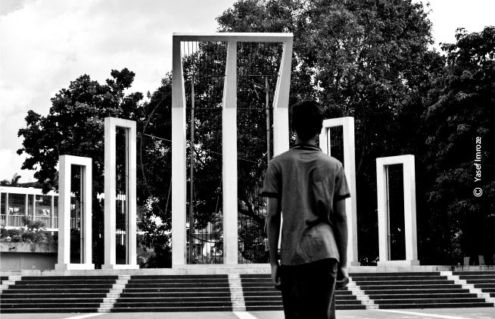
Yasef Imroze has captured this profound sense of place in his image titled Mother Tongue. It invites us to consider how we inhabit the spaces that define our cultural identity. Does this site still speak to you?