The Geography of Belonging
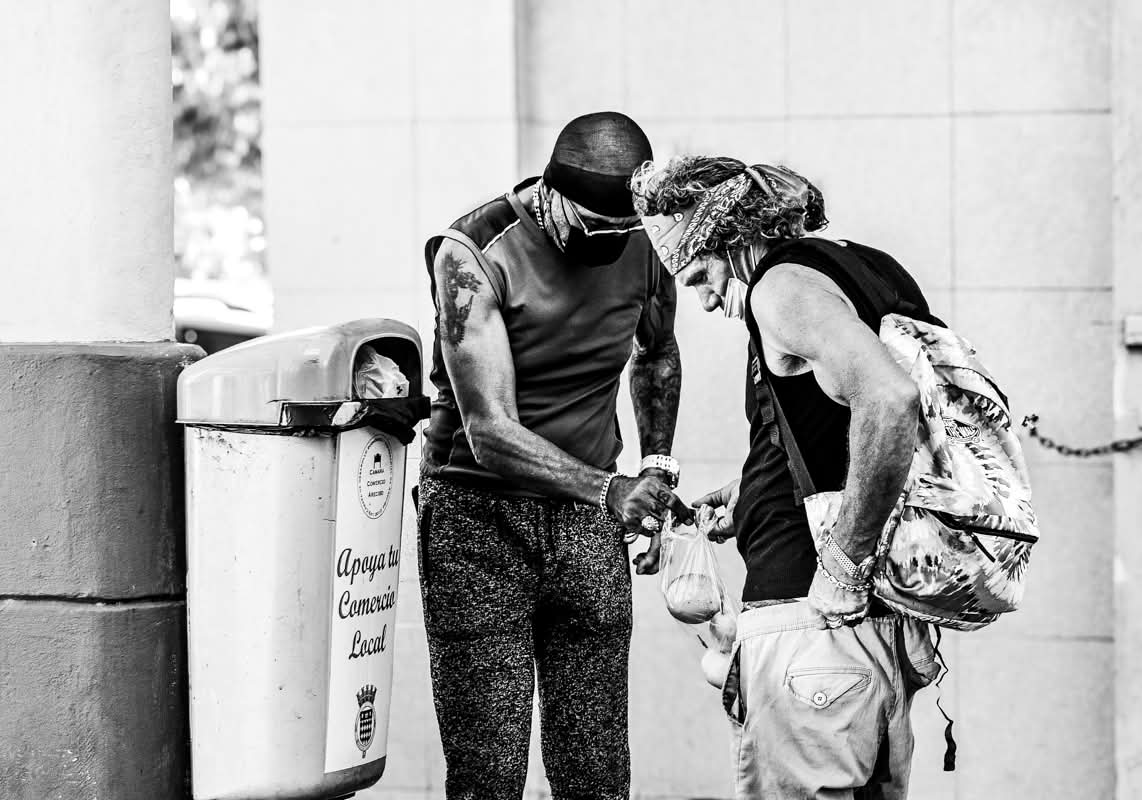
Public space is rarely neutral. We often mistake a park for a simple patch of green, but it is actually a contested map of social claims. When people gather to occupy a corner, a bench, or a table, they are performing an act of territorial assertion. They are saying that this sliver of the city belongs to them, not because of a deed or a zoning law, but because of the time they have invested in the space. These pockets of human connection are the true infrastructure of a neighborhood. They act as anchors against the relentless tide of urban displacement, creating a sense of permanence in a city that is constantly being sold and resold. When we see a group carving out a quiet ritual in the middle of a frantic metropolis, we are witnessing a form of resistance. It is a quiet declaration that the city is not just a machine for commerce, but a living room for those who have nowhere else to go. Who is granted the right to linger, and who is pushed to keep moving?
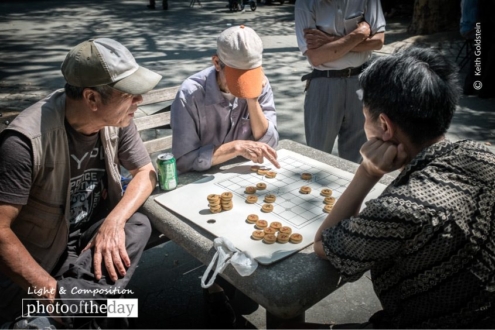
Keith Goldstein has captured this dynamic in his image titled Men Playing Chinese Chess. It serves as a poignant reminder of how community is built through the simple, persistent act of showing up. Does this space feel like a sanctuary to you, or a fragile hold on a changing landscape?