The Geography of Belonging
We often mistake the road for a void, a mere conduit between points of interest. Yet, every path carved through a landscape is a testament to human persistence and the desire to bridge the distance between ourselves and the horizon. When we traverse these spaces, we are not just moving through geography; we are navigating a social history of access and exclusion. Who built this route, and for whose benefit was the terrain tamed? The mountains stand as indifferent witnesses to our transit, yet the way we move through them reveals our relationship with the earth. We are guests in these high altitudes, passing through spaces that have sustained communities for generations long before our arrival. The infrastructure of a region tells us who is prioritized and who is left to the periphery. As we look out from the window of a moving vehicle, we must ask: are we truly engaging with the life of the land, or are we merely consuming the view as we rush toward our next destination?
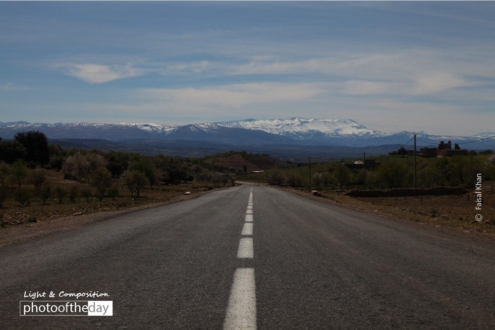
Faisal Khan has captured this sentiment in his work titled The Journey and the Destination. It serves as a stark reminder that the spaces we traverse are never truly empty, but are instead layered with the quiet presence of those who call the mountains home. Does the road bring us closer to the people who live in the shadows of these peaks, or does it keep us at a distance?