The Architecture of Silence
In the seventeenth century, the Dutch masters began to paint the dark not as an absence, but as a presence—a velvet weight that held the objects within it in a state of suspended grace. We often fear the dark, treating it as a void that must be filled with noise or light, yet there is a specific kind of clarity that only arrives when the sun retreats. It is a quiet, heavy sort of truth. When the world stops its frantic movement, the lines of things become more honest. The edges of a roof, the curve of a stone wall, the way a shadow stretches across a path—these are the things that define our geography when no one is watching. We spend our days constructing identities, but perhaps we only truly exist in the moments when we are unobserved, resting in the cool, dark stillness of our own private corners. If the day is for doing, what is the night for? Is it merely a pause, or is it the place where we finally learn to see what has been standing there all along?
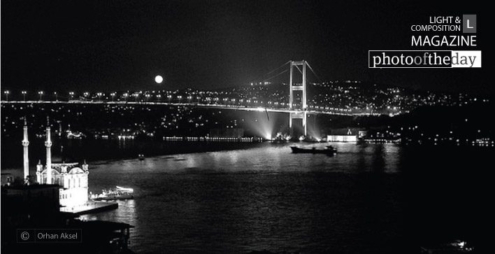
Orhan Aksel has captured this stillness in his work titled Istanbul by Night. It feels as though the city itself has exhaled, leaving behind only the essential bones of its history. Does this quietness feel like a sanctuary to you?