The Weight of Thresholds
There is a peculiar gravity to an archway. It is not merely a structural necessity, a way to move from one space to another, but a psychological marker of transition. To pass beneath stone is to agree, however briefly, to leave the known world behind. We see these portals in history, carved into the bones of ancient cities, standing as silent witnesses to the countless footsteps that have worn the ground smooth beneath them. They are the places where the domestic meets the monumental, where the merchant selling his wares finds himself framed by the same limestone that once sheltered kings. We often think of time as a river, flowing steadily forward, but perhaps it is more like these gateways—fixed, enduring, and indifferent to the frantic pace of the lives that flicker through them. We carry our burdens, our colorful distractions, and our small ambitions, yet the stone remains, holding the sky in its curve. If the threshold is the place where we are most ourselves, what do we leave behind when we finally step through?
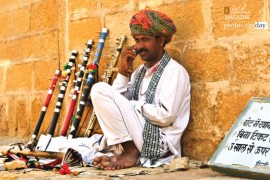
Vijaya Sri Sanjevi has captured this sense of passage in the image titled On the Way of Ghadisar Lake. It reminds me that every journey is defined as much by the gates we pass as by the destination itself. Does the archway feel like a beginning or an end to you?