Serenity by the Pool by Suraj Krishnamurthy Cheemangala
Captured during an Easter vacation at the Club Atlantico in Portugal, this photograph encapsulates a moment of pure serenity. The photographer focused on the interplay between the sparkling blue swimming pool and the resort's inviting architecture, using the warm sunlight to highlight the tranquil atmosphere. By framing the scene to emphasize the contrast between the water's reflection and the resort's structure, the image evokes a sense of luxury and calm. This shot is award-worthy for its ability to transform a simple vacation setting into a refined, evocative study of light, color, and peaceful stillness.
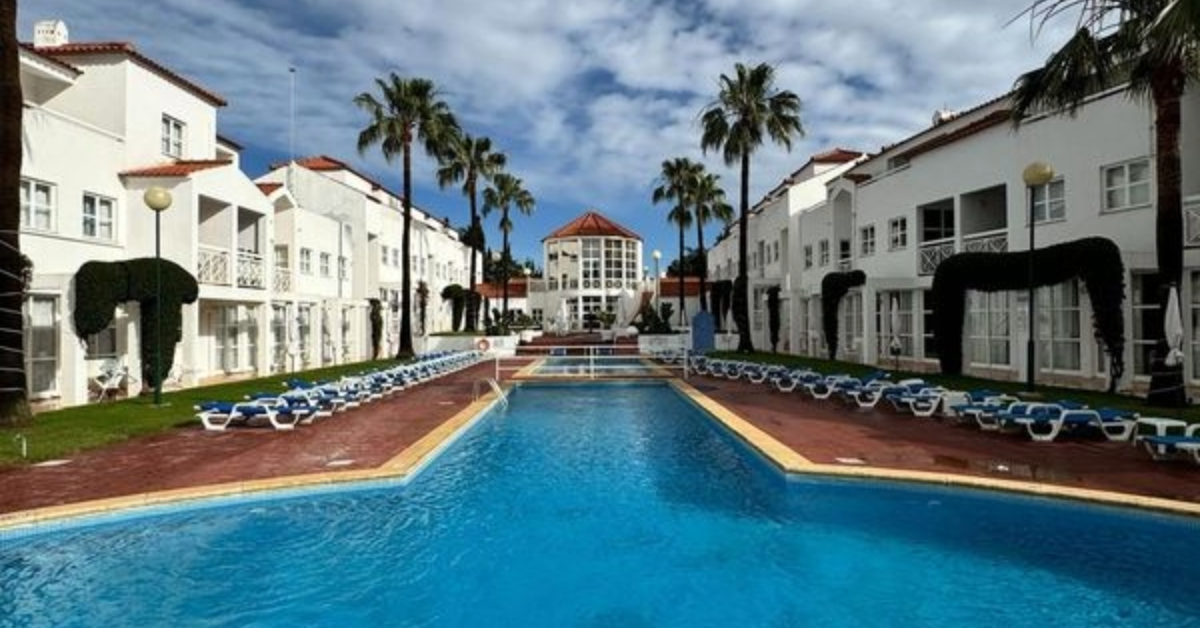
the Pool by Suraj Krishnamurthy Cheemangala
Based in Norway, Suraj Krishnamurthy Cheemangala balances a professional career in IT Helpdesk with a dedicated pursuit of fine art photography. His work is defined by a keen eye for the beauty found in everyday moments, whether capturing the quiet stillness of a resort or the natural charm of wildlife. By applying the same precision and patience required in his technical career to his creative process, he continuously refines his craft, seeking to evoke deep emotion and narrative through his lens.
Resonance Score Breakdown
Transparency Note: The resonance score (7.1/20) is calculated based on social engagement metrics collected before the award announcement.
Expert Photography Reviews · 8
The Architecture of Stillness
Seneca once remarked that it is not the man who has too little, but the man who craves more, who is poor.
Read the reflection →The Quiet Between Dips
I spent this morning trying to fix a leaky faucet in the kitchen. I kept turning the wrench, waiting for the dripping to stop, but the rhythm remained—a steady, persistent beat against the metal sink. Eventually, I just stopped.
Read the reflection →Reviews & Comments
Share your thoughts about this award-winning photograph. Your reviews contribute to the community engagement score.
It’s a pleasant enough snapshot of a holiday afternoon, though one suspects the photographer simply put down a cocktail to snap it. There’s no grit here, no shivering in the damp, no waiting for the light to turn sour before it turns sublime. It’s technically competent, I’ll grant you that, but it’s far too comfortable. I’ve spent weeks in the rain for a single frame; this one didn’t cost the photographer a thing.
It’s a strange shift to look at this pool in Portugal, knowing the sensor’s f/1.78 aperture is designed for the fleeting, terrestrial sun rather than the ancient, cold light I usually chase. I find myself missing the deep, thermal noise of a long exposure. Yet, there’s a quiet, human stillness here that I’ve grown to envy. It’s a brief, bright blink of luxury before the stars eventually reclaim the sky above that water.
The blue water meets the white wall. It’s a sharp edge. I’ve spent minutes staring at the tiles, waiting for a ripple that doesn’t come. The stillness is heavy. It’s the silence of a midday sun in Portugal. I feel my own breath slow down just looking at it. Nothing here is accidental. The empty corner is not empty. It’s a pause. A rare, quiet breath in a loud world. I’m grateful for it.
It’s a relief to see water that doesn’t demand a fight against light absorption. Without the refractive index distorting my view or backscatter ruining the clarity, this pool feels almost alien in its stillness. I’ve spent so much time battling the blue-green void that this crisp, surface-level light feels like a luxury. It’s undeniably serene, though I find myself instinctively scanning the tiles, half-expecting a nudibranch to appear in the corner of the frame.
At f/1.78, the iPhone’s sensor pushes the limits of its tiny aperture, yet the diffraction doesn’t collapse the scene’s micro-contrast. I’m genuinely moved by how the 24mm focal plane renders the pool’s caustic patterns; it’s a crisp, mathematical dance of light. While the computational processing struggles slightly with the edge transitions of the architecture, the sheer clarity of the water’s surface refraction is a triumph. It’s a beautiful, precise capture of a fleeting, sun-drenched stillness.
1/100sec at f/1.78, 24mm. The iPhone’s sensor is working overtime here. That f/1.78 aperture creates a shallow depth of field that’s frankly aggressive for a landscape shot. It’s a digital compromise, not an optical choice. The computational bokeh feels artificial against the resort’s sharp architecture. I’m tired of seeing software mimic glass. It’s technically competent, sure, but it lacks the tactile grit of real optics. It’s a clean, cold, and ultimately hollow digital calculation.
The sharp, geometric shadows cast by the Portuguese architecture create a rhythmic frame that pulls the eye toward the water’s surface. It’s a Mediterranean stillness that feels almost tactile. I’m struck by how the pool’s turquoise depth anchors the subject, grounding their quiet posture within this sun-drenched luxury. The environment isn’t just a backdrop; it’s the very pulse of the scene. I’d love to sit there myself, feeling that warmth against the cool, blue silence.
Sunlight on water isn’t serenity; it’s a blinding distraction from the void. Cheemangala’s frame flirts with the architecture of Portugal, yet it’s terrified of the deep, structural silence lurking in the corners. I’ve stared at these blue tiles until my eyes ached, searching for a single honest shadow to anchor the scene. It’s too bright, too polished. It doesn’t let the darkness breathe. I find myself longing for the night to finally reclaim this pool.