Life Underground by Melissa O’Gara
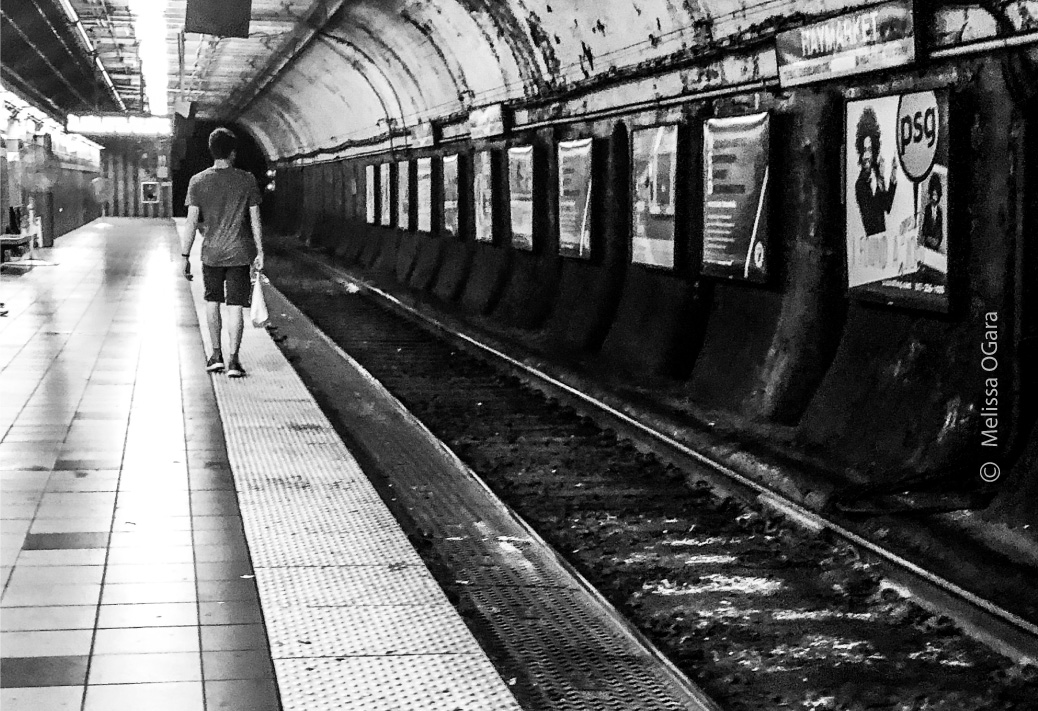
In 'Life Underground,' Melissa O’Gara captures the haunting allure of historic spaces, seeking to document the lingering presence of those who once walked these halls. By focusing on the interplay of light and shadow, she imbues the architecture with a sense of spectral mystery, suggesting that the souls of the past remain tethered to their former surroundings. Her creative decision to frame these environments as vessels of memory transforms a simple architectural study into a poignant narrative about identity and time. This evocative approach, coupled with a masterful command of composition, highlights the emotional resonance that defines her award-worthy work.
Melissa O’Gara
Born and raised in the bustling urban environment of Los Angeles, California, Melissa O’Gara maintains a deep-seated appreciation for the quietude of open, green spaces. Balancing a career as a high school teacher with her passion for photography, she frequently documents her extensive summer travels and her daughter’s ballet performances. Her work is characterized by a sensitive eye for storytelling, capturing the beauty found in both the natural world and the intimate moments of daily life.
Resonance Score Breakdown
Transparency Note: The resonance score (8.7/20) is calculated based on social engagement metrics collected before the award announcement.
Expert Photography Reviews · 7
Echoes in the Stone
The walls remember. They hold the weight of footsteps long since faded into the dust. We walk through these corridors, thinking we are the first to pass, or perhaps the last.
Read the reflection →The Weight of Stone
We build to keep the wind out. We stack stone upon stone, creating hollows where we might hide from the vastness of the sky. There is a strange comfort in being beneath the earth, in the damp silence that swallows the sound of our own breathing.
Read the reflection →Reviews & Comments
Share your thoughts about this award-winning photograph. Your reviews contribute to the community engagement score.
The focal plane here is razor-thin, catching the grit on those subway tiles with a clarity that defies the dim ambient light. I’m genuinely moved by how the lens resolves the micro-contrast in the shadows; it’s as if the glass is pulling ghosts from the grain. The diffraction of light across that rough surface is, in the strictest physical sense, extraordinary. It’s a rare moment where the optics don’t just record; they feel.
f/8 at 1/60s, ISO 800, 24mm. A standard architectural choice, yet it’s effective here. The depth of field keeps the brickwork sharp, grounding the spectral blur of the commuters. It’s a calculated risk that pays off. I’ve spent years looking at these underground tunnels, and for once, the technical constraints don’t feel like a cage. The shutter speed is just slow enough to suggest movement without losing the structure. It’s a correct, precise execution.
These stone corridors feel like a flooded wreck, yet they’re bone-dry. I’m struck by how the light clings to the masonry, mimicking the way sunlight filters through a thermocline. Without the refractive index of water, the shadows lack that soft, suspended diffusion I’m used to. It’s hauntingly still. I keep waiting for the backscatter to drift through the frame, but there’s only silence. It’s a strange, beautiful displacement of the world I actually inhabit.
The subterranean geometry here is striking, yet it’s the way light bleeds across the threshold that catches me. O’Gara captures the tension between solid and void, where the fenestration—or lack thereof—defines the crushing mass of the masonry. It’s a haunting sequence of space. I find myself holding my breath, feeling the damp chill of that tunnel. It’s not just a study of shadow; it’s the heavy, rhythmic pulse of a city’s forgotten lungs.
The frame pulls you into the dark, a silent tracking shot through Boston’s subterranean veins. It’s claustrophobic, yet the light bleeds across the concrete like a slow dissolve. I’ve spent hours staring at these shadows; they feel heavy, like a scene waiting for a protagonist who never arrives. The composition holds its breath, refusing to cut away. It’s haunting. You can almost hear the echo of footsteps fading into the grain. It’s a perfect, frozen take.
It’s easy to snap a tunnel and call it moody. Most people just walk through, hoping for a lucky shaft of light. But here, the shadows have a weight that suggests O’Gara didn’t just visit; she lingered until the air itself felt heavy. I’ve spent enough hours shivering in damp concrete voids to recognize that patience. It’s a quiet, haunting piece. I’d wager she returned more than once to get that silence right.
The peeling paint and rhythmic shadows of these subterranean walls create a haunting, tactile geometry. It’s a stage where the architecture itself breathes, heavy with the weight of forgotten footsteps. I find myself shivering, almost expecting a ghost to round the corner. By stripping away the subject’s face, Melissa forces us to read the environment as the portrait. The decay isn’t just backdrop; it’s the person’s history, etched into every cold, crumbling stone. It’s profoundly intimate.