The Weight of Iron
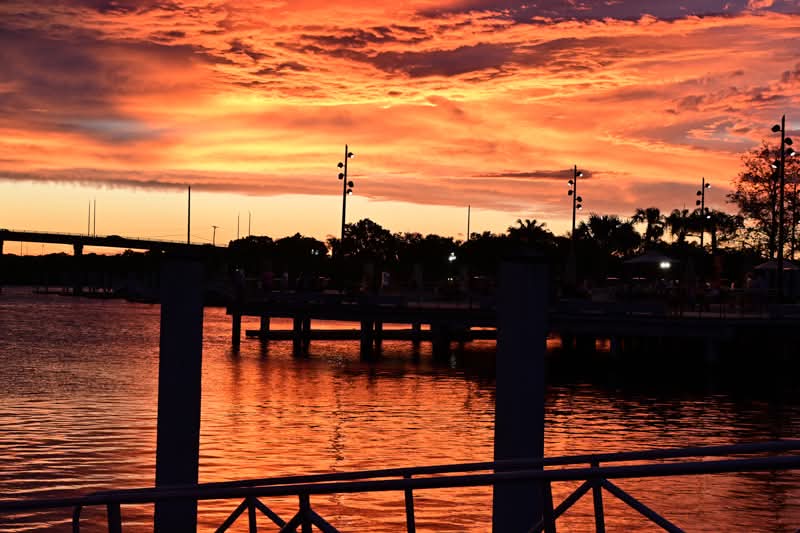
We often speak of freedom as if it were a sudden arrival, a door swinging open in the wind. But history suggests it is more like the slow, rhythmic labor of a blacksmith. It is found in the stubborn persistence of the hand against the cold, unyielding metal. We build our walls with such certainty, brick by brick, law by law, until the structure feels like a natural feature of the landscape. We forget that every shackle was once a choice, and every lock was forged by a human intent. To break such things requires more than a single strike; it demands a collective memory, a refusal to accept the weight as a permanent part of our anatomy. We carry the ghosts of old constraints long after the iron has rusted, wondering if the space we occupy is truly ours or merely the shape left behind by our chains. How do we recognize the moment when the metal finally gives way to the air?
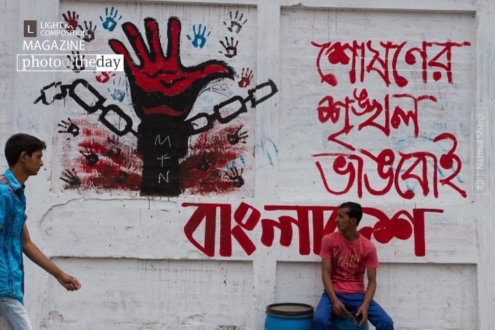
Nazmul Shanji has captured this tension in his work titled Unshackle Oppression. It is a striking reminder that the desire for liberty is etched into the very walls of our daily lives. Does this image stir a sense of resolve in you?