The Weight of Ancient Dust
The taste of dry earth always returns when the wind shifts just right. It is a gritty, mineral flavor that coats the back of the throat, tasting of sun-baked stone and centuries of silence. I remember the feeling of running my palms over a wall that had been standing long before my ancestors were born; the rock was rough, stubborn, and held a heat that felt like a living pulse beneath my skin. We think of history as a line drawn on a page, but it is actually a texture—a layering of grit and grit, a slow accumulation of time that settles into the creases of our own bodies. When we stand in places that have outlasted empires, we are not just observers; we are vessels for the dust that drifts between the cracks. Does the stone remember the touch of the hands that shaped it, or does it only know the patient, eroding kiss of the air? How much of the past are we carrying in our own bones without even knowing it?
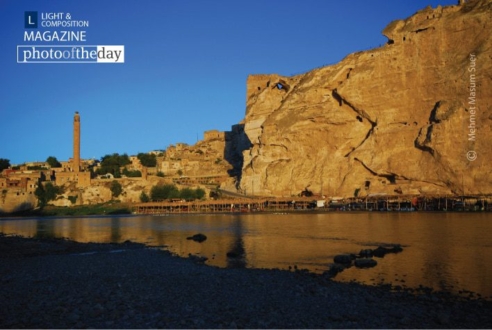
Mehmet Masum has captured this profound sense of endurance in his photograph titled Hasankeyf. The image feels like a deep breath taken in a place where time has slowed to a crawl. Does the stillness of these ancient stones speak to you as clearly as it speaks to me?