The Weight of a Sound
We often forget that language is not merely a tool for trade or a vessel for instruction. It is, at its core, a physical inheritance—a collection of shapes that carry the breath of our ancestors. To speak is to participate in a lineage that stretches back through centuries of quiet rooms and crowded markets. Think of the first time a child traces a letter, their finger trembling slightly as they attempt to capture a sound that has lived in their blood long before it reached their tongue. These marks are not just ink on a page; they are the anchors of identity, the stubborn remnants of a people who refused to be silenced. When we hold a word, we are holding a history that has survived fire, exile, and the slow erosion of time. It is a heavy, beautiful burden to carry the sounds of one’s own origin. If a single character can hold the weight of a nation’s soul, what happens when we finally stop to look at the curves and lines that define who we are?
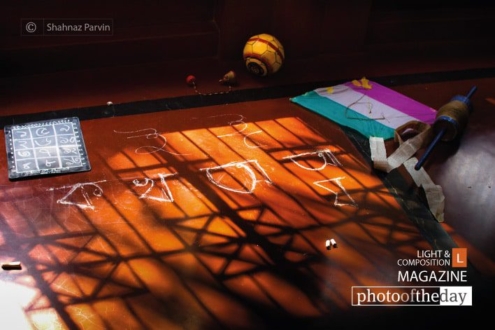
Shahnaz Parvin has captured this reverence in her work titled My Bangla Alphabet. It is a gentle reminder of the power held within the script that shapes a culture’s memory. Does the sight of these letters stir a familiar rhythm in your own heart?