
The Unplanned Margin
We often mistake the city for its hard surfaces—the concrete, the glass, the grid of streets designed for efficiency and flow. But look closer at the edges, the cracks in the pavement, and the neglected strips of soil where the city’s maintenance ends. Here, nature does not ask for permission to exist. It colonizes the leftover spaces, the forgotten margins that urban planners deemed irrelevant. These small, wild pockets are the true archives of the city’s resilience. They remind us that human geography is not just about where we build, but about what we allow to grow in the spaces we leave behind. When we prioritize only the manicured and the controlled, we lose the messy, vibrant, and spontaneous life that thrives in the gaps. Who decides which plants are weeds and which are beauty, and what does that say about how we value the parts of our city that refuse to be tamed?
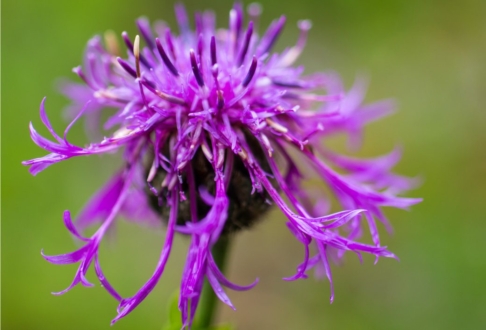
Kirsten Bruening has captured this tension beautifully in her image titled Wild Flowers. It serves as a quiet reminder that even in the most structured urban environments, there is always room for the wild to reclaim its place. Does this image make you look at the neglected corners of your own neighborhood differently?