The Unclaimed Edges
We often mistake the city for its infrastructure—the concrete, the glass, the rigid lines of property ownership that dictate where we are permitted to stand. Yet, the most honest parts of our urban geography are the cracks, the neglected verges, and the spaces that refuse to be manicured by municipal decree. These are the zones of resistance where life asserts itself without permission. When we ignore these pockets of wildness, we ignore the resilience of the environment that persists despite our attempts to pave over it. Who decides which plants are ornamental and which are weeds? The distinction is rarely biological; it is almost always political. It reflects a desire to control the visual narrative of our streets, to sanitize the messy, organic reality of the ground beneath our feet. When we look at the margins, we see a different kind of urban history—one written by the wind and the soil rather than the developer. If the city is a document of our priorities, what does it say about us when we only value what we have carefully curated?
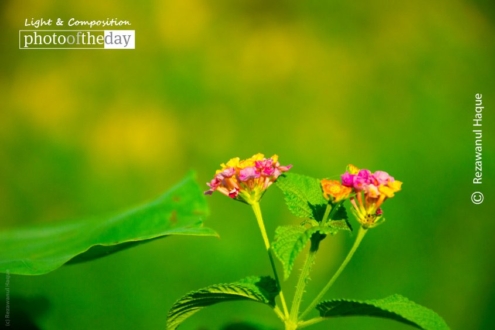
Rezawanul Haque has captured this quiet defiance in the image titled Just Some Wild Flowers. It serves as a gentle reminder that even in the most structured environments, nature finds a way to claim its own space. Does this image make you wonder what else we have been conditioned to overlook in our daily commute?