The Threshold of Belonging
A doorway is never just a physical barrier; it is a social contract. In the architecture of our daily lives, the threshold acts as the primary filter between the private sanctuary of the home and the collective pulse of the street. When we place a chair outside, we are not merely storing furniture; we are claiming a stake in the public realm. We are signaling an invitation, a willingness to be seen, and a desire to participate in the slow, rhythmic exchange of neighborhood life. It is an act of defiance against the sterile, gated isolation that defines so much of modern urban planning. By occupying the sidewalk, the resident transforms a transit zone into a living room, asserting that the city belongs to those who linger, those who watch, and those who wait. If the city is a document of our social priorities, what does it say about us when we choose to retreat behind locked gates rather than pull a chair into the light? Who are we really inviting into our lives, and who are we keeping out?
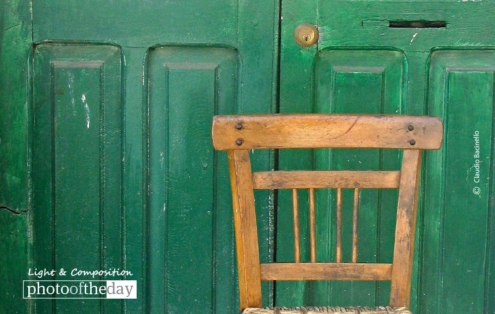
Claudio Bacinello has captured this quiet negotiation of space in his image titled Front Door. It serves as a reminder that the most profound stories of a community are often found in the simplest objects left on a doorstep. Does this chair represent a welcome, or is it a silent sentinel guarding a fading way of life?