The Geography of the Edge
We often mistake the periphery for a void, a place where the map ends and the narrative dissolves. Yet, in the study of human geography, the edge is where the most vital negotiations occur. It is the boundary between the known, manageable world and the vast, indifferent forces that dwarf our daily routines. When we move toward these thresholds, we are not merely traversing terrain; we are testing the limits of our own significance. We build cities to insulate ourselves from this scale, creating grids and walls to convince ourselves that we are the architects of our own permanence. But the mountain does not recognize the grid. It remains a silent, geological witness to the fleeting nature of our presence. To stand at the edge is to acknowledge that we are guests in a landscape that existed long before our arrival and will persist long after we have turned the final corner. What happens to our sense of self when the structures we rely on are stripped away, leaving only the raw, unyielding space?
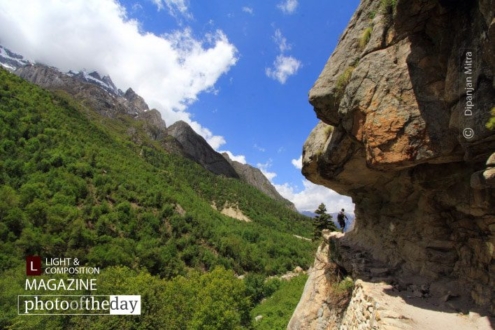
Dipanjan Mitra has captured this tension beautifully in the image titled The Unknown Bend. It serves as a stark reminder of how small we appear when we step outside the urban systems we call home. Does the mountain welcome the traveler, or is the traveler merely a temporary disruption in the stone?