
The Geography of Devotion
We often mistake the city for a collection of infrastructure—roads, pipes, and zoning laws—forgetting that it is, at its core, a vessel for human belief. Every urban space is a map of what a society values, a physical manifestation of our collective priorities. Some corners are built for commerce, others for transit, but the most enduring spaces are those carved out for the spirit. These sites of pilgrimage act as anchors in the frantic pace of modern life, offering a counter-narrative to the relentless drive toward efficiency. When we observe a figure moving through such a space, we are witnessing a negotiation between the ancient and the contemporary. It raises the question of how much room we truly leave in our blueprints for the quiet, the contemplative, and the non-productive. If the city is a document of our existence, what does it say about us when we prioritize the movement of goods over the stillness of the soul? Who is the city actually built to accommodate when the noise finally fades?
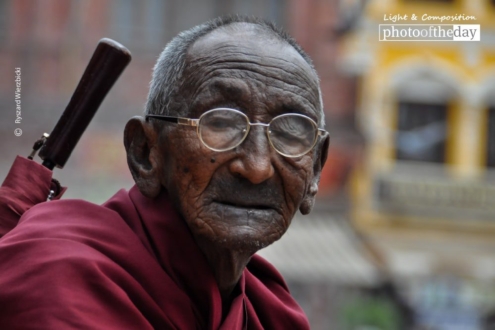
Ryszard Wierzbicki has taken this beautiful image titled A Pilgrim Monk. It captures the intersection of personal faith and the public landscape, inviting us to consider the spaces we inhabit for our own quiet reflection. Does your city provide a sanctuary for the spirit, or is it only designed for the hustle?