The Geography of Belonging
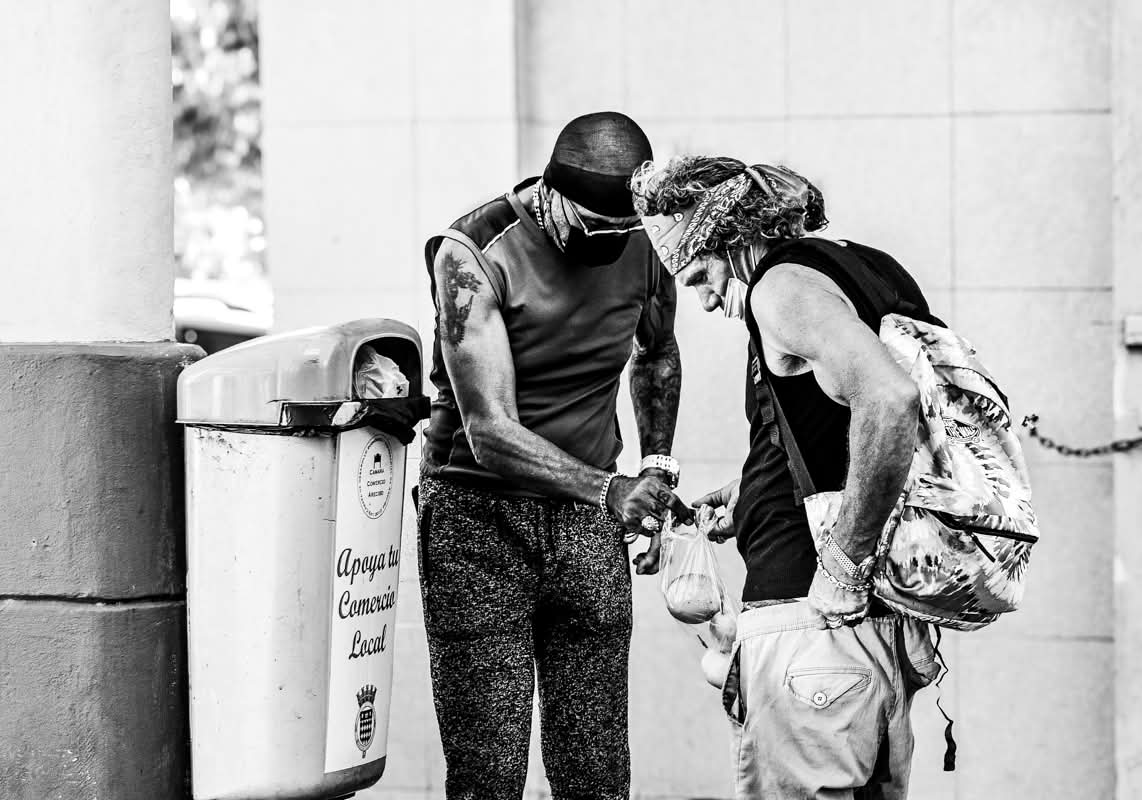
We often speak of the city as a machine for living, but we forget that the edges of our urban centers are defined by the people who remain rooted in the soil while the concrete expands. There is a profound tension between the center—where power, capital, and visibility are concentrated—and the periphery, where tradition and local identity persist in the shadows of modernization. When we look at those who live on the margins, we are forced to confront the architecture of exclusion. Who is granted the right to be seen as a representative of a culture, and who is relegated to the background of progress? The way a person occupies their space tells a story of inheritance and resistance. It is a reminder that identity is not just a personal trait, but a geographical one, shaped by the walls, the fields, and the history that surrounds us. If the city is a document, what does it say about the people we choose to leave out of the narrative?
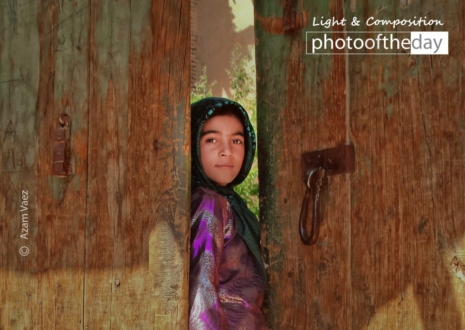
Azam Vaez has captured this sentiment in the beautiful image titled A Village Girl. It serves as a quiet reminder of the lives unfolding far from the urban sprawl. How do these faces change the way we view the map of our world?