The Architecture of Transit
We often mistake the city for its permanent structures—the concrete, the steel, the zoning lines that dictate where one life ends and another begins. But the true city is found in the spaces between these markers, in the transient geography of those who are perpetually on the move. When people are forced to transition, they carry their entire world in their gestures and their gaze. There is a profound social friction in being seen while you are in the process of leaving, especially when the environment around you was never designed to accommodate your permanence. We look at these spaces and see poverty, but we fail to see the resilience of the social fabric being woven in real-time. Who decides which lives are meant to settle and which are meant to drift? The city is a document of power, and every departure is a quiet protest against the boundaries that attempt to contain human potential. If we look closely at the margins, we might finally understand who the city is actually built for.
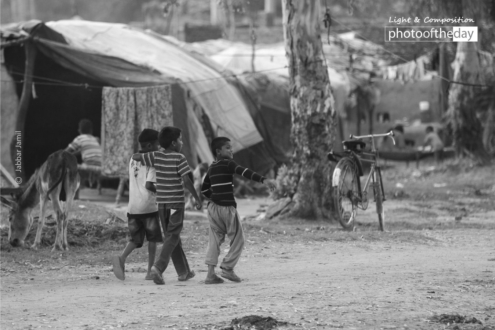
Jabbar Jamil has captured this reality in his image titled When They Were Leaving. It serves as a stark reminder of the human geography hidden within our urban landscapes. Does this scene change how you view the movement of people in your own neighborhood?
 (c) Light & Composition University