The Architecture of the Table
In the seventeenth century, Dutch painters obsessed over the peel of a lemon, the way light caught the dampness of a shucked oyster, or the precise, precarious tilt of a pewter flagon. They understood that the domestic sphere was not merely a backdrop for life, but the very stage where our mortality plays out. We spend our days arranging things—a bowl here, a crust of bread there—as if by placing objects in a certain order, we might impose a temporary peace upon the chaos of the world. There is a quiet, almost sacred weight to the things we consume. To sit before a meal is to participate in a ritual that has remained largely unchanged since we first gathered around a fire to share what the earth provided. We are sustained not just by the nourishment itself, but by the colors and textures that signal our survival. Does the simple act of preparing a plate ever truly feel like enough to hold back the encroaching dark?
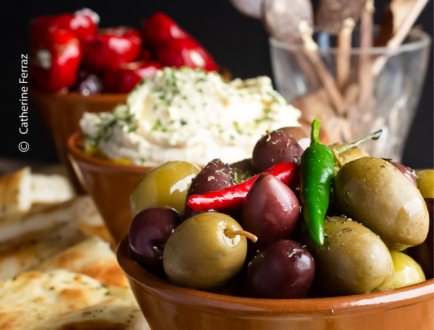
Catherine Ferraz has captured this sentiment beautifully in her image titled Feeling Peckish in Ireland. She reminds us that even the most casual snack can become a meditation on the abundance of our daily lives. How do you find the extraordinary in the things you eat?