
The Architecture of Quiet
We often mistake the city for its hard edges—the stone, the steel, and the grid that dictates our movement. We view urban space as a machine for efficiency, a place where every square inch must justify its existence through commerce or transit. Yet, the most vital parts of the city are the pockets of resistance, the small, unscripted spaces where the rigid geometry of the street gives way to something softer. These are the places where the human pace slows down, where we are reminded that we are biological beings, not just commuters or consumers. When we carve out room for the wild, for the bloom that serves no master, we reclaim a piece of our own humanity from the concrete. It is a quiet rebellion against the relentless demand for productivity. Who is allowed to linger in these spaces, and what does it say about our priorities when we choose to nurture a garden in the middle of a fortress?
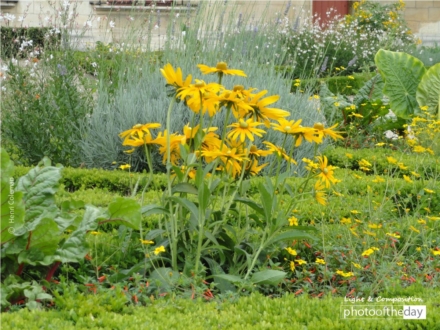
Henri Coleman has captured this delicate tension in the image titled Flowers of Hotel de Sens. It serves as a reminder that even within the most historic and structured urban environments, nature finds a way to assert its own rhythm. Does this space feel like a sanctuary to you, or a luxury we have forgotten how to share?