
The Architecture of Care
The city is often measured by its infrastructure—the width of its roads, the height of its towers, the efficiency of its transit. Yet, these are merely the stage sets. The true urban document is written in the way bodies navigate the friction of public space. When we move through a crowded thoroughfare, we are constantly negotiating our proximity to others, performing a silent, instinctive dance of protection and avoidance. Some spaces demand a hardening of the self, a defensive posture against the relentless flow of traffic and commerce. Others allow for a softening, where the presence of another person becomes a sanctuary against the indifference of the concrete. We rarely stop to consider how the built environment dictates these intimate gestures, or how a simple movement of an arm can reclaim a hostile street as a private territory of belonging. Who is permitted to occupy the center of the path, and who is forced to the margins? What does it mean to be shielded in a place that was never designed for tenderness?
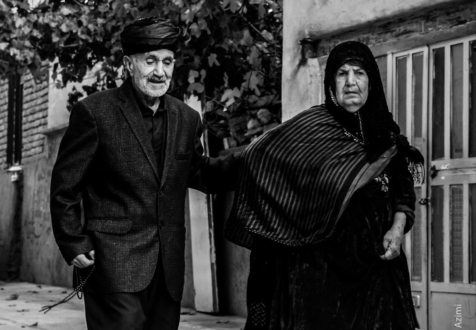
Moslem Azimi has captured this beautiful, quiet resistance in the image titled Mandaga Love. It serves as a reminder that even in the most utilitarian of urban corridors, human connection remains the most vital infrastructure of all. How do you protect the people you love when the city is pushing against you?