
The Architecture of Ascent
We are taught to fear the path that scars the earth, as if every line drawn across a hillside is a wound. But perhaps the mountain does not mind the intrusion. The earth is patient; it knows that roots eventually reclaim what is borrowed, and that the rain will soften the sharpest edges of our ambition. To climb is to accept a dialogue with gravity, a slow negotiation between the weight of our own history and the upward pull of the summit. We carve these lines not to conquer, but to find a way through the thicket of our own restlessness. There is a quiet dignity in the way a trail persists, winding through the scrub and stone, indifferent to whether it is being walked or left to the silence of the wind. It is a testament to the simple, human need to see what lies beyond the next ridge, even when the way is steep and the air grows thin. What remains when the traveler finally turns back, leaving only the dust to settle in their wake?
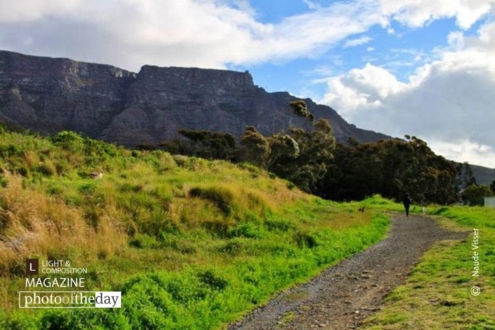
Naude Visser has captured this quiet persistence in the image titled Dirt Road up the Mountain. It serves as a gentle reminder that even our most functional paths can hold a strange, rugged beauty. Does this winding trail invite you to climb, or does it ask you to simply stand still and watch?