
The Architecture of After Hours
There is a peculiar silence that descends upon a city once the day has been folded away. It is not an absence of sound, but a shift in the quality of the air, as if the stone walls and iron railings have finally stopped holding their breath. During the daylight hours, we move through these spaces as if they were merely corridors to somewhere else, our eyes skimming over the surfaces of history without truly seeing the weight of the mortar. But when the sun retreats, the geometry of our surroundings changes. The shadows stretch out, claiming the corners that were previously ignored, and the artificial glow of the evening begins to map out a different kind of geography. It is in this dim, amber-hued quiet that a place reveals its true character, shedding the frantic pace of the living to show us the bones of the past. We are left to wander through a theater where the actors have long since departed, leaving only the stage lights to hum in the dark. Do we ever truly inhabit a city until we have walked its streets in the company of its ghosts?
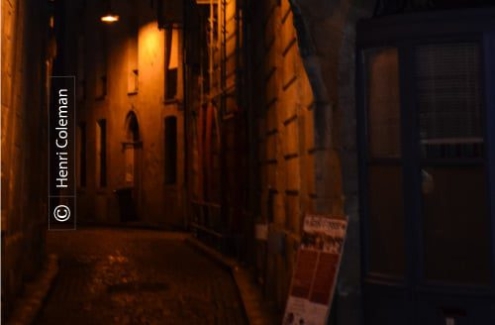
Henri Coleman has captured this stillness in his beautiful image titled Street Lights in Bordeaux. He invites us to stand in that quiet, illuminated passage and consider what remains when the world goes to sleep. Does the night change the way you see the places you call home?