Expedition Overview
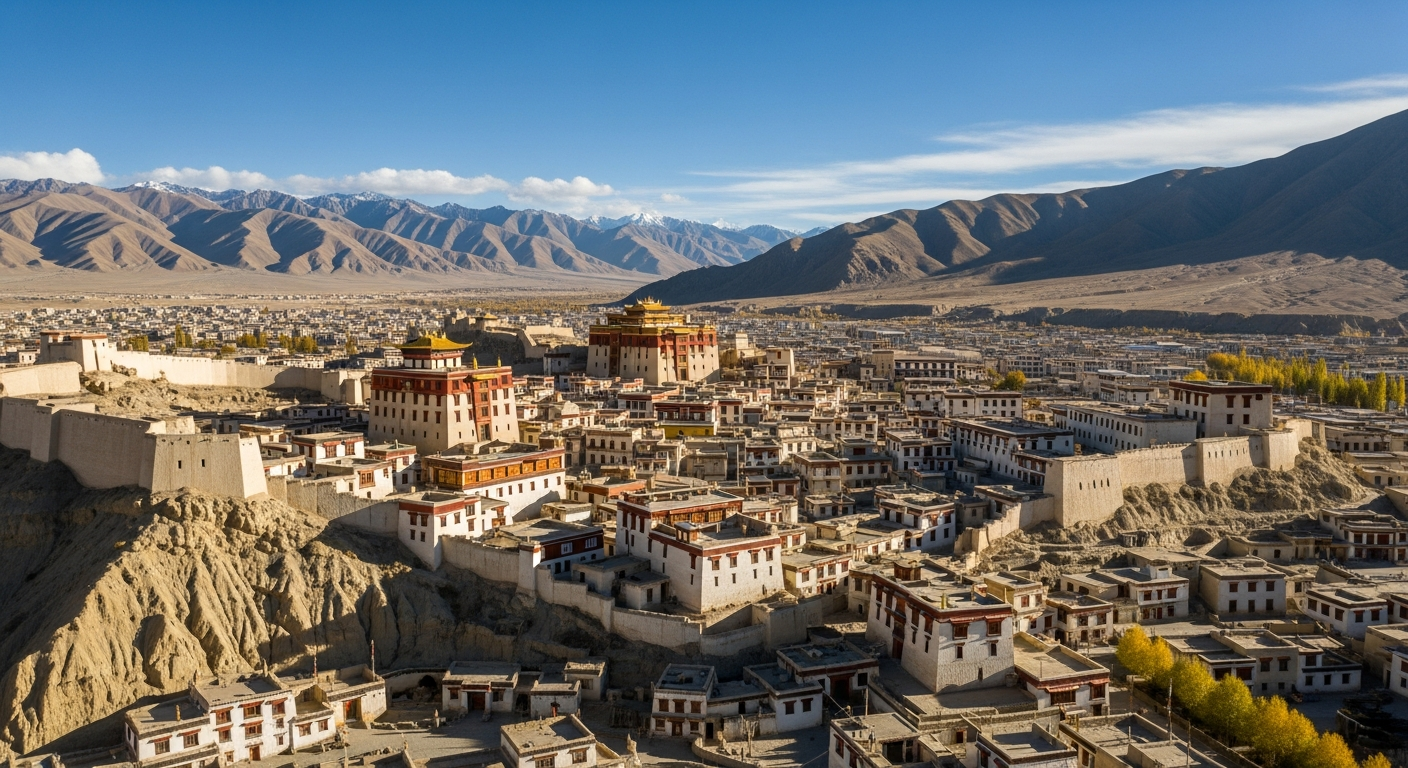
Upper Mustang was closed to the outside world until 1992. Even today, access requires a special restricted area permit, and the annual visitor limit means it remains one of the least-visited regions in Asia. The result is a landscape and culture preserved in a way virtually nowhere else on earth has managed: the walled medieval city of Lo Manthang, once the capital of the independent Kingdom of Lo, still has its royal palace, its thangka-painting tradition, its Tiji festival prayers, and its population of Loba people who speak their own language and live by the rhythms of the high-altitude harvest.
The landscape is extraordinary — not the lush green of lower Nepal but a bone-dry Tibetan plateau landscape of wind-eroded red and ochre cliffs, blue sky so deep it reads almost indigo, and ancient monastery complexes that have survived a thousand years. For photographers, it is unlike anywhere else on earth.
Expedition Itinerary
Day 1: Kagbeni to Chele — The Gate of Mustang
From Kagbeni the landscape shifts immediately: red rock, relentless wind, the colours of the Tibetan plateau. The Mustang Gate is a literal stone arch above the trail. Chele village has a medieval fortress visible from miles away.
The Goal of the Day: Colour and texture photography in a desert landscape.
Day 2: Syangboche & the Eroded Badlands
The valley narrows into extraordinary eroded formations — channels cut by ancient rivers into terracotta and ochre cliffs. The photography here is purely geological and abstract: layers, textures, shapes.
The Goal of the Day: Abstract landscape photography; geological texture at large scale.
Day 3: Ghemi Monastery & Mani Wall
Ghemi has the longest mani wall in Nepal — 200 metres of carved stone prayer wheels, prayer flags, and votive offerings. The monastery above the village has 15th-century murals in perfect condition.
The Goal of the Day: Buddhist art documentation; the relationship between architecture and landscape.
Day 4: Lo Manthang — The Walled City
The medieval capital of the Kingdom of Lo. Within the walls: the royal palace, the Jampa Lhakhang (a 600-year-old Chamgon temple), the Thubchen Gompa, and the daily life of the Loba people — all virtually unchanged from the 15th century.
The Goal of the Day: Medieval city documentation; daily life photography in an intact ancient settlement.
Day 5: Chungsi Cave Monastery & Return
A monastery built into a natural cave system at 4000m, its painted walls dating from the 11th century. Return through the Yara valley, a high route above the main trail through seasonal nomadic camps.
The Goal of the Day: Interior sacred space photography; nomadic camp documentation.
Book Your Expedition
Note: Final price may vary based on specific expedition details and customizations.
Expedition Leaders
Professor Nasrul Eam is a seasoned explorer and visual storyteller who has spent over two decades traversing Asia’s diverse landscapes and cultures. As Dean of the Department of Art and Photography at Light & Composition University, he leads immersive photography expeditions to regions like the Himalayas, Sundarbans, and Bali. These journeys blend cultural exploration with hands-on learning, culminating in a complete photography diploma. With a portfolio of over 50 publications—including The Quintessence of Photography and Illuminating Nature—his work captures the profound beauty of everyday life. His background in advertising, linguistics, and visual arts enriches his mentorship, guiding participants to uncover compelling narratives through their lenses. Professor Eam’s expeditions are transformative experiences, inspiring photographers to engage deeply with the world around them.
Travel Information
Fly Pokhara–Jomsom (20 min, mountain weather-dependent), then walk or jeep to Kagbeni. Special permit (US$500 for 10 days) mandatory — expedition arranges. Maximum 1,000 foreign visitors per year. Best season: May–June (Tiji Festival) and September–November.
What to Bring
• Windproof outer layer (Mustang wind is constant and fierce)
• Desert UV protection — sunscreen SPF 50+, sunglasses, lip balm
• Wide-angle for landscape and cave interiors
• 50–85mm for Loba portraiture
• Tripod for cave monastery interiors (no tripod, no shot — too dark)
• Dust protection for camera bag