Leave a Reply
Want to join the discussion?Feel free to contribute!

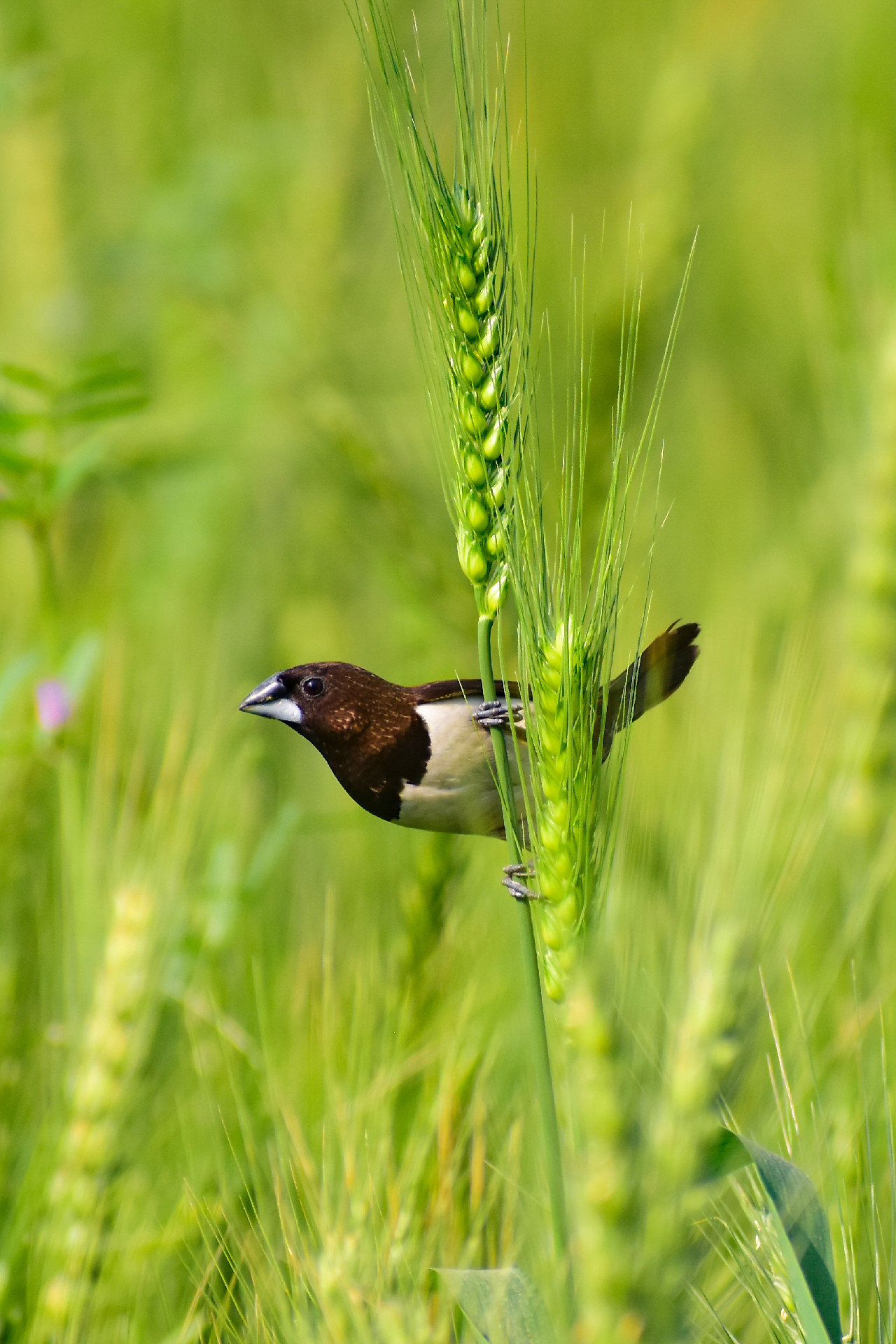
One cool February morning, we strolled across Rajshahi University’s campus, where experimental wheat gently swayed. Tiny munias fluttered through the tall stalks, searching for seeds. A dazzling White-rumped Munia suddenly appeared in my view—its delicate beauty froze the moment, and I captured it forever in a single, perfect shot. As it perched gracefully on a nearby stalk, the early sunlight illuminated its plumage, creating a fleeting yet unforgettable scene.
Nu Yai Sing Marma is known as a tribal girl and a devoted photographer. A passion for photography was discovered during her university years, when it was felt that her hobby should be pursued seriously. Lifestyle, nature, and documentary photography are chosen as her main genres. Through her work, the culture and lifestyle of Bangladesh are portrayed, with special focus given to tribal communities. Many untold stories are captured and expressed through her lens. Each photograph is created to narrate a story, allowing traditions to be preserved and the diverse essence of her homeland to be shared with the world.
Transparency Note: The resonance score (5.1/20) is calculated based on social engagement metrics collected before the award announcement.
The blue ceramic mug that sat on my father’s desk for twenty years is gone. It was chipped at the rim, a jagged little canyon where he had once dropped it against the edge of the sink.
Read the reflection →There is a profound grace in things that possess no need to be noticed. We spend our days building monuments of ambition, carving our names into the stone of our own importance, yet the world continues to turn on the strength of the smallest, quietest movements.
Read the reflection →
 The Unbroken Chain
Share your thoughts about this award-winning photograph. Your reviews contribute to the community engagement score.