Leave a Reply
Want to join the discussion?Feel free to contribute!

Captured on the historic Charles Bridge in Prague, this poignant image documents the quiet, somber reality of a beggar kneeling upon the ancient pavement. The photographer utilized the natural, ambient light of the bridge to highlight the textures of the subject’s surroundings, creating a stark contrast between the city's architectural grandeur and the isolation of the individual. This photograph is award-worthy for its raw emotional resonance and the photographer’s ability to find profound human stories within a bustling tourist landmark, transforming a fleeting moment of supplication into a timeless, evocative study of urban life.
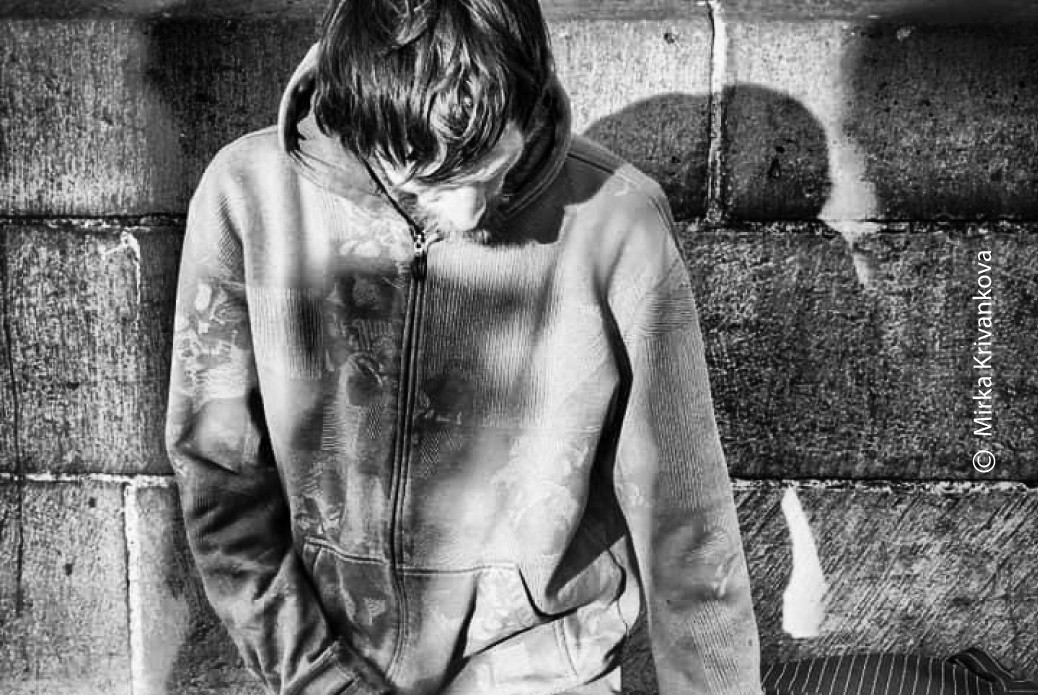
Hailing from Mestec Kralove, Czech Republic, Mirka Krivankova is an emerging photographic talent known for her diverse portfolio that spans from the serene beauty of the Czech countryside to intimate, character-driven portraiture. Her work is distinguished by a sophisticated use of formalism, where she masterfully balances natural light and shadow to guide the viewer’s eye through complex compositions. Constantly evolving and refining her craft, Krivankova demonstrates a dedicated commitment to building comprehensive, high-quality bodies of work that capture the essence of her subjects.
Transparency Note: The resonance score (9.4/20) is calculated based on social engagement metrics collected before the award announcement.
History is a heavy coat we wear, woven from the dust of centuries and the quiet prayers of those who walked before us.
Read the reflection →Seneca once remarked that it is not the man who has too little, but the man who craves more, that is truly poor.
Read the reflection →
 A Walk to Home by Sunando RoyThe Weight of the Way
Share your thoughts about this award-winning photograph. Your reviews contribute to the community engagement score.