Folding a Robe by Ryszard Wierzbicki
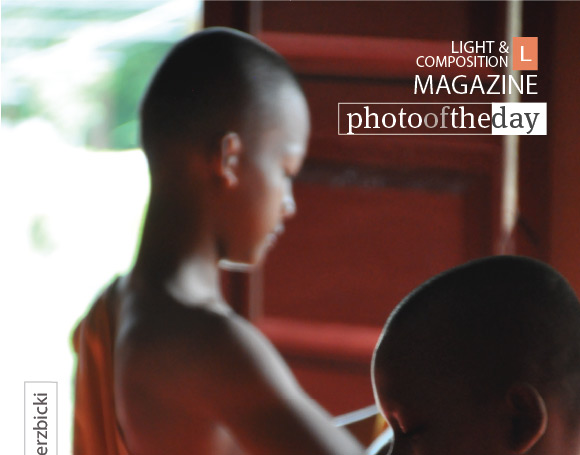
Captured within the serene walls of a Buddhist temple near the Killing Fields in Siem Reap, Cambodia, this image documents the quiet, rhythmic discipline of young monks. The photographer observes the daily ritual of washing, drying, and folding their robes, transforming a mundane chore into a meditative act of devotion. By utilizing a long focal length to isolate the subject, the photographer captures the intimacy and focus of the moment. The image is award-worthy for its ability to find profound stillness and cultural narrative within the everyday lives of those dedicated to a monastic path.
Ryszard Wierzbicki
Born in 1963 and a graduate of the University of Gdańsk, Ryszard Wierzbicki transitioned from a career in social sciences and marketing to become a dedicated traveler and photographer after relocating to the United Kingdom in 2006. His work is deeply influenced by his extensive explorations of South-East Asia and his volunteer efforts with orphaned children. Currently based in Swindon, he balances his professional life as a marketing advisor with his passion for photography, scuba diving, and managing travel forums that connect global adventurers.
Resonance Score Breakdown
Transparency Note: The resonance score (14.0/20) is calculated based on social engagement metrics collected before the award announcement.
Expert Photography Reviews · 4
The Weight of Cloth
There is a rhythm to the way we handle the things we own. A shirt, a blanket, a robe. We fold them to keep the world at bay, to impose order on the chaos of the day.
Read the reflection →The Geometry of Devotion
In the quiet corners of a house, there is a specific geometry to how we handle the things we own. We fold a shirt, we stack a book, we smooth a wrinkle from a tablecloth. These are not merely chores; they are small, repetitive prayers of maintenance.
Read the reflection →Reviews & Comments
Share your thoughts about this award-winning photograph. Your reviews contribute to the community engagement score.
The frame breathes. It’s a tight, telephoto compression that flattens the temple air into a soft, saffron blur. The monk’s hands move with a rhythm I’ve spent years trying to capture on film; it’s a quiet, rhythmic edit of a mundane chore. I find myself holding my breath, waiting for the fabric to snap taut. It’s the perfect cut. Wierzbicki knew exactly when to roll, catching the precise second where devotion becomes pure, kinetic geometry.
1/30sec at f/6.3, ISO 1600, 250mm. That shutter speed is a gamble at this focal length. It’s a miracle the hand-held vibration didn’t ruin the texture of the fabric. The ISO 1600 noise is aggressive, yet it provides a grit that suits the temple’s austerity. I’ve spent years chasing sharpness, but here, the slight softness feels intentional. It’s a risky technical choice that actually pays off. The math is messy, but the result works.
A 250mm lens at 1/30sec suggests Wierzbicki didn’t just stumble upon this. He’s held his breath, likely for hours, waiting for the monk’s hands to align with that precise, rhythmic fold. It’s a quiet, disciplined bit of work. I’ve spent enough damp mornings in temple courtyards to know the ache of waiting for such stillness. It’s a rare, earned moment of grace. He didn’t just take the shot; he sat until the light finally agreed.
Saffron robes bleed into the temple’s dusty ochre, a chromatic resonance that recalls the quiet, chalky stillness of a Morandi study. It’s a symphony of burnt orange and sun-bleached terracotta that makes my heart ache with its sheer, unadorned devotion. One feels the heat radiating from those folds, a tactile warmth that transcends the lens, turning a simple chore into a sacred, saturated meditation on the fleeting nature of light itself. It’s truly sublime.