The Geography of Belonging
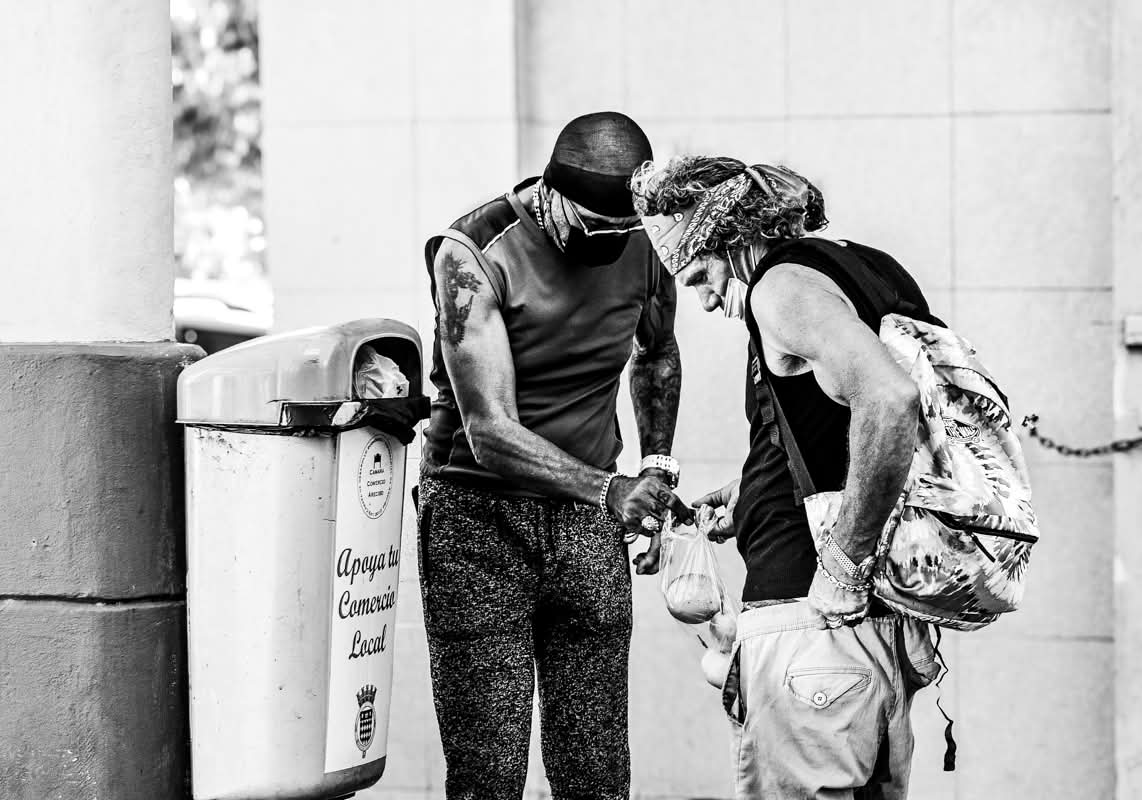
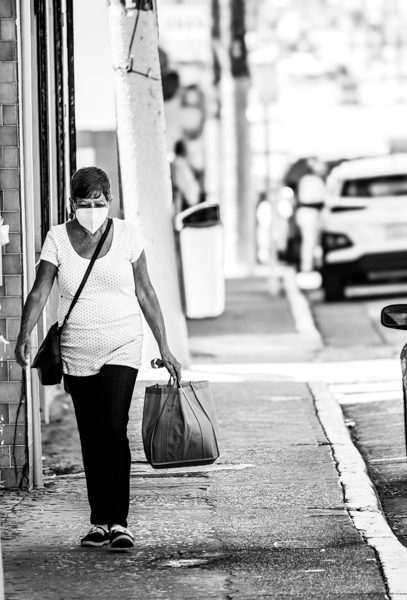
Public space is rarely neutral. We design our parks and plazas with an implicit understanding of who is expected to occupy them and who is merely passing through. When we gather in these shared arenas, we are participating in a fragile social contract. We bring our histories, our vulnerabilities, and our expectations of safety into the open air. Yet, the city often demands a performance of us—a way of moving or existing that conforms to the dominant rhythm of the street. It is in the quiet, unguarded moments of a child that we see the city not as a grid of infrastructure or a site of economic output, but as a potential sanctuary. These spaces are meant to be the common ground where the next generation learns their place in the collective. If the city is a document of our values, what does it say about us when we prioritize the efficiency of the thoroughfare over the simple, radiant presence of those who have yet to inherit it?
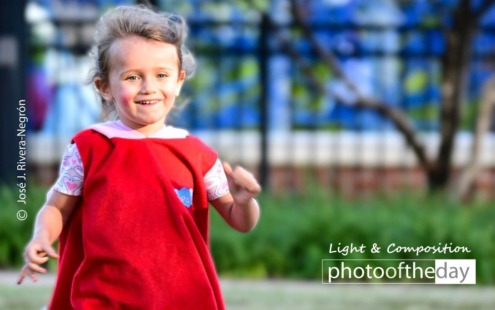
Jose Juniel Rivera-Negron has taken this beautiful image titled Angel Eyes. By isolating a single face within the density of a public festival, the photographer invites us to consider the individual amidst the urban collective. Does this space feel like a place where a child can truly belong?