The Cartography of Lines
In the study of geology, we are taught that the earth keeps a ledger. Every shift in the tectonic plates, every season of drought, and every heavy rain leaves a mark upon the stone. These are not merely scars; they are a history written in the language of erosion. We look at a mountain and see a static object, but it is actually a slow-motion conversation between the elements and the ground. Human faces, I suspect, operate under the same physical laws. We carry our own topography—the deep, etched valleys around the eyes, the ridges of the brow, the map of a life spent weathering the elements of our own private climates. We often try to smooth these lines away, as if they were errors in the printing of our days, forgetting that they are the only evidence we have that we have truly lived. If we were to trace the path of every wrinkle, where would the map lead us? What stories are held in the sediment of a single expression?
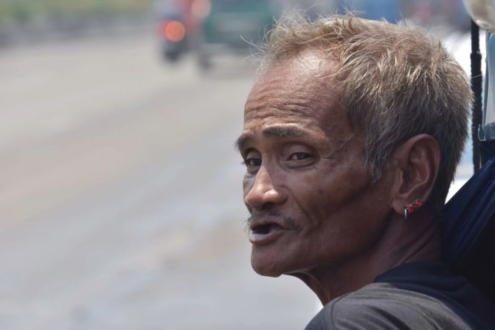
Ryszard Wierzbicki has captured this truth in his striking Portrait. He invites us to look past the surface and read the geography of a life lived on the edge of the world. Does this face remind you of the maps you have drawn for yourself?