The Architecture of Survival
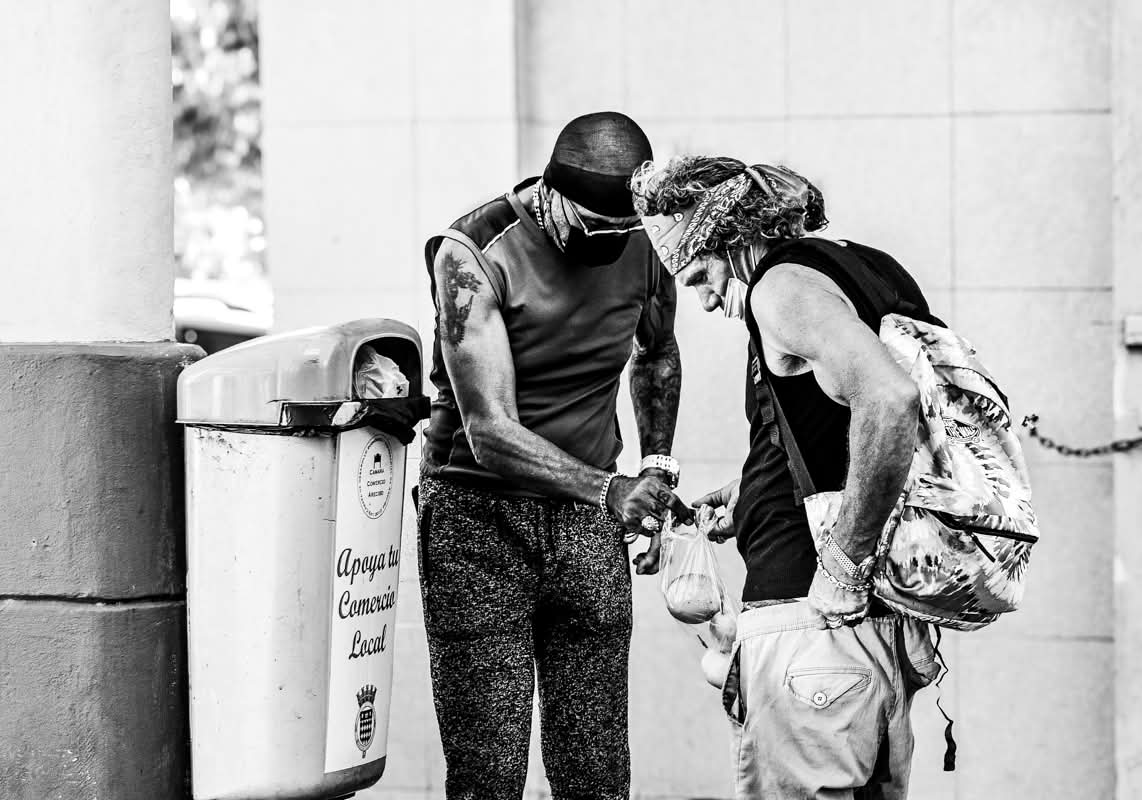
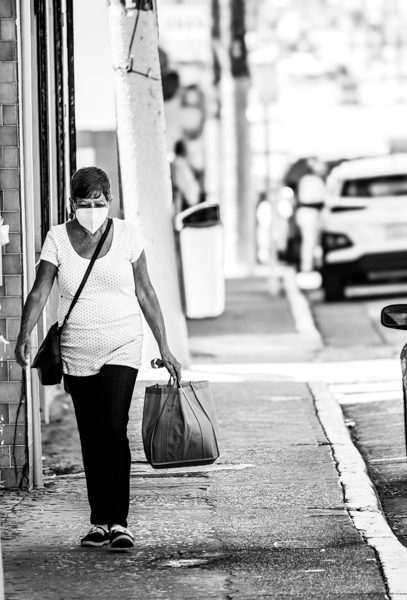
The city is often sold to us as a spectacle of glass and neon, a stage designed for the consumer to perform their leisure. Yet, beneath the polished veneer of the global metropolis, there exists a secondary, invisible geography. It is built not by architects or developers, but by those who occupy the margins, carving out a livelihood in the cracks of the concrete. These individuals are the true cartographers of the urban experience, mapping out the intersections where foot traffic meets necessity. When we look at the street, we must ask who is granted the right to occupy space and who is merely passing through. Is the city a shared commons, or is it a gated marketplace where one’s presence is only permitted as long as it serves the flow of capital? The vendor, the laborer, and the transient are the ones who actually animate the grid, yet they are frequently erased by the very infrastructure they sustain. Who is the city really for, and what happens to the rhythm of the street when we stop seeing the people who keep it beating?
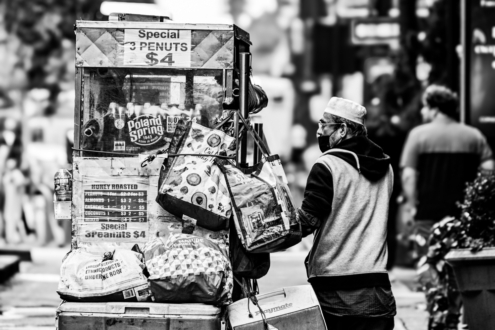
Jose Juniel Rivera-Negron has captured this tension beautifully in his image titled A Street Vendor in the Time Square. He invites us to look past the famous lights and recognize the quiet, persistent labor that anchors the chaos of the city. Does this perspective change how you navigate your own neighborhood?