The Pedestrian’s Claim
We often mistake the city for its architecture, as if the stone and steel were the primary actors in our urban drama. But a street is not defined by the height of its facades or the prestige of its storefronts; it is defined by the right to linger. When we design spaces that prioritize the flow of commerce, we risk turning the public realm into a stage for consumption rather than a site of social encounter. True urban vitality emerges in the gaps between the shops, in the moments where the city stops being a corridor and starts being a living room. Who is permitted to occupy this space without the expectation of spending? When we look at the geography of a thoroughfare, we must ask if it invites the citizen to exist, or merely to pass through. The pavement is the most democratic surface we have, yet it is constantly being reclaimed by those who seek to monetize the act of walking. Is the city a place for people to belong, or is it merely a backdrop for the transaction?
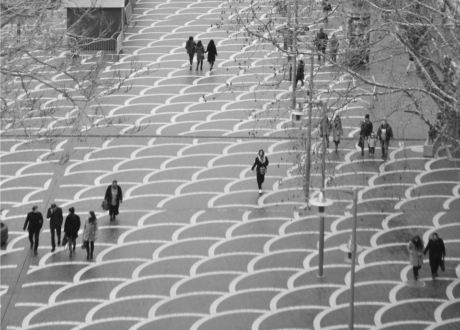
Fidan Nazim Qizi has captured this tension in her image titled Nizami Street. She invites us to look past the grand architecture and consider the human pulse of this famous artery. Does this space feel like a home for everyone, or is it a stage set for a specific kind of visitor?