The Architecture of Return
When a forest is cleared, the soil does not simply wait; it begins a slow, subterranean conversation. Mycelial networks, dormant beneath the surface, immediately begin to knit the broken earth back together, colonizing the ruins of what was once a canopy. We often view our own history as a series of finished chapters, structures we have built and then abandoned to the elements. We walk through the husks of our past—the empty rooms, the rusted iron, the hollowed-out corridors—and feel only the weight of what is missing. But perhaps these spaces are not truly empty. They are merely in a state of transition, waiting for the light to re-enter and define them anew. We fear the decay, yet the decay is simply the earth reclaiming its own, turning the rigid lines of human ambition back into the soft, fluid geometry of the wild. If we stopped trying to preserve the past, what might finally be allowed to grow in the shadows?
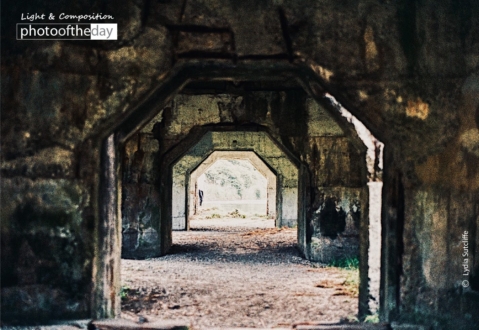
Lydia Sutcliffe has taken this beautiful image titled Light at the End of the Tunnel. It captures that precise moment where the heavy, man-made silence of a forgotten place meets the persistent, encroaching reach of the sun. Does this space feel like a ruin to you, or a beginning?