The Architecture of Decay
We often mistake the city for its permanent structures—the steel, the glass, the concrete that we assume will outlast our own brief tenures. But the true document of urban life is found in the ephemeral, in the things that refuse to stay fixed. There is a quiet politics to the way a space sheds its skin. When we observe the cycle of decline and renewal, we are witnessing the city’s own metabolism. It is a reminder that our environments are not static backdrops but living, breathing entities that dictate the terms of our belonging. Who is permitted to linger in the spaces that are fading, and who is pushed toward the polished, new developments? The transition from one state to another is never neutral; it is a negotiation between what we choose to preserve and what we allow to return to the earth. We build walls to keep time out, yet the seasons always find a way to reclaim the margins. If the city is a ledger of our collective history, what does it say about us when we only value the things that are still in bloom?

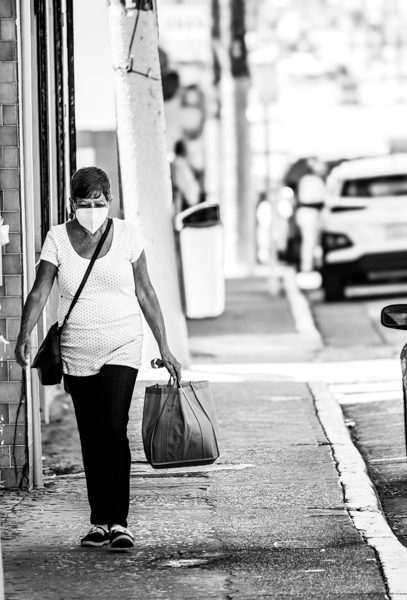
Kirsten Bruening has captured this tension beautifully in her image titled The Last Leaves Falling. It serves as a stark reminder that even in the most structured urban environments, nature dictates the rhythm of our shared spaces. How do you see the city changing when you look past the buildings and into the cycle of the streets?