The Architecture of the Hive
When a colony of honeybees prepares for the coming winter, they do not merely occupy their hive; they regulate it, vibrating their wing muscles in unison to maintain a precise, life-sustaining temperature against the encroaching frost. This collective pulse is a form of biological architecture, a way of turning a hollow space into a living, breathing vessel. We often view our own dwellings as static containers, mere shells of brick or timber, forgetting that a home is only as vital as the warmth we circulate within it. We are, at our core, social organisms who define our existence by the light we spill into the dark and the shared hum of our daily routines. We build walls to keep the world out, yet we spend our lives trying to find ways to let the warmth back in, reaching for that same resonance that keeps the hive alive. If we stopped moving, if we stopped contributing our own small heat to the structure, would the space still hold us, or would it simply turn back into stone?
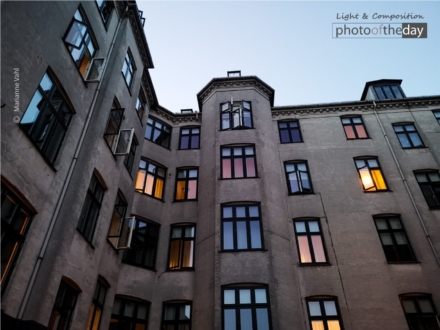
Photographer Marianne Vahl has captured this exact feeling of shared life in her image titled Symphony of Copenhagen. It is a beautiful reminder of how our individual lives weave together to create a singular, glowing pulse within the city. Does your own home hum with this kind of light when the sun goes down?