The Architecture of Resilience
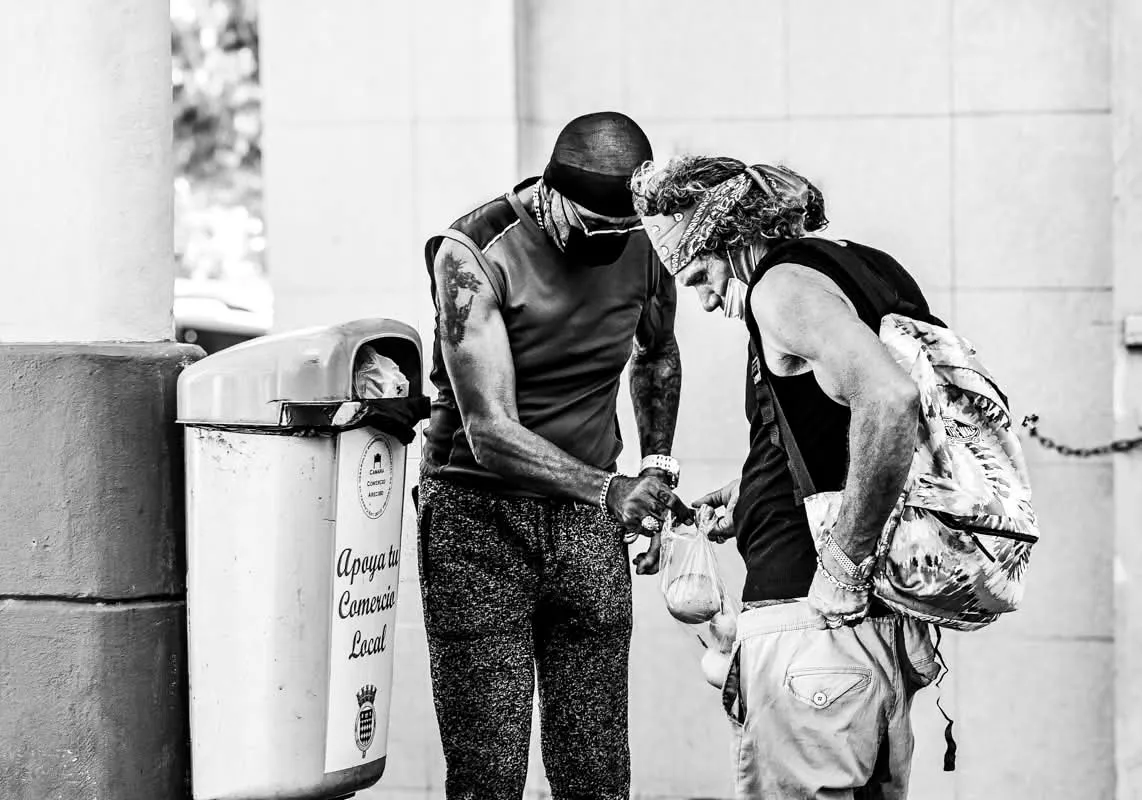
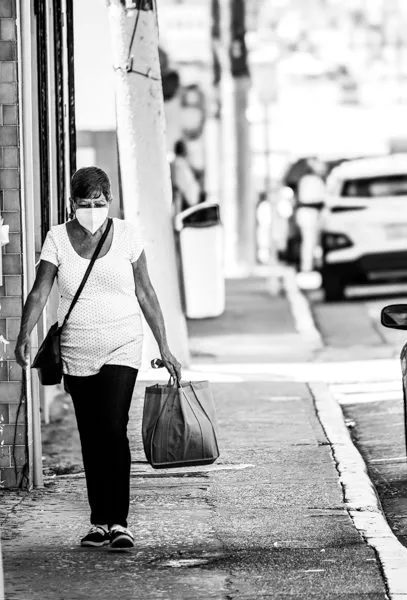
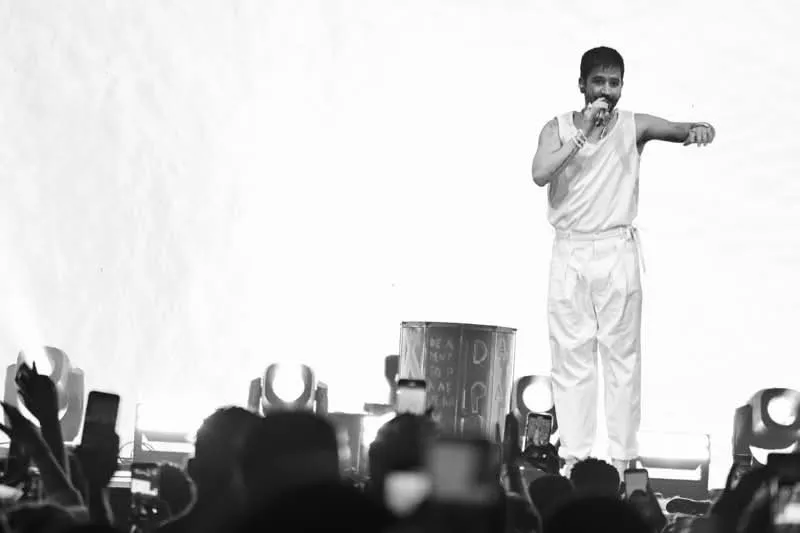
Cities are often designed for efficiency, for the smooth flow of capital and the predictable movement of bodies. We pave over the wild, trim the edges, and impose a rigid geometry that suggests everything is under control. Yet, the city is a living document, and it constantly betrays the intentions of its planners. There is always a crack in the concrete, a neglected corner, or a stubborn bit of life that refuses to be manicured into submission. We tend to value the grand monuments, the steel towers that scrape the sky, but the true character of a place is found in the margins. It is found in the things that persist despite the constant pressure to conform or disappear. When we look at the landscape, we must ask what is being cultivated and what is being suppressed. Who decides which life is worthy of space, and who is left to find their own way in the shadows of the garden? What does it mean to bloom in a place that was never designed for you?
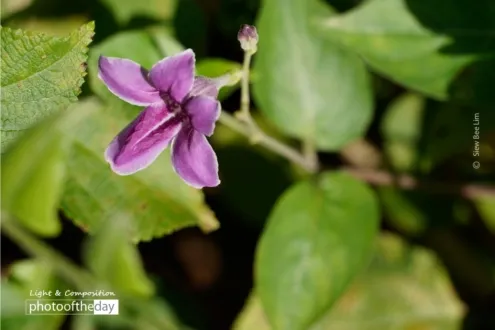
Siew Bee Lim has taken this beautiful image titled One Purple Flower. It reminds me that even in the most structured urban environments, life finds a way to assert its presence. Does this small act of growth challenge the order of the city, or is it merely a quiet reminder of what we have paved over?