The Architecture of Survival
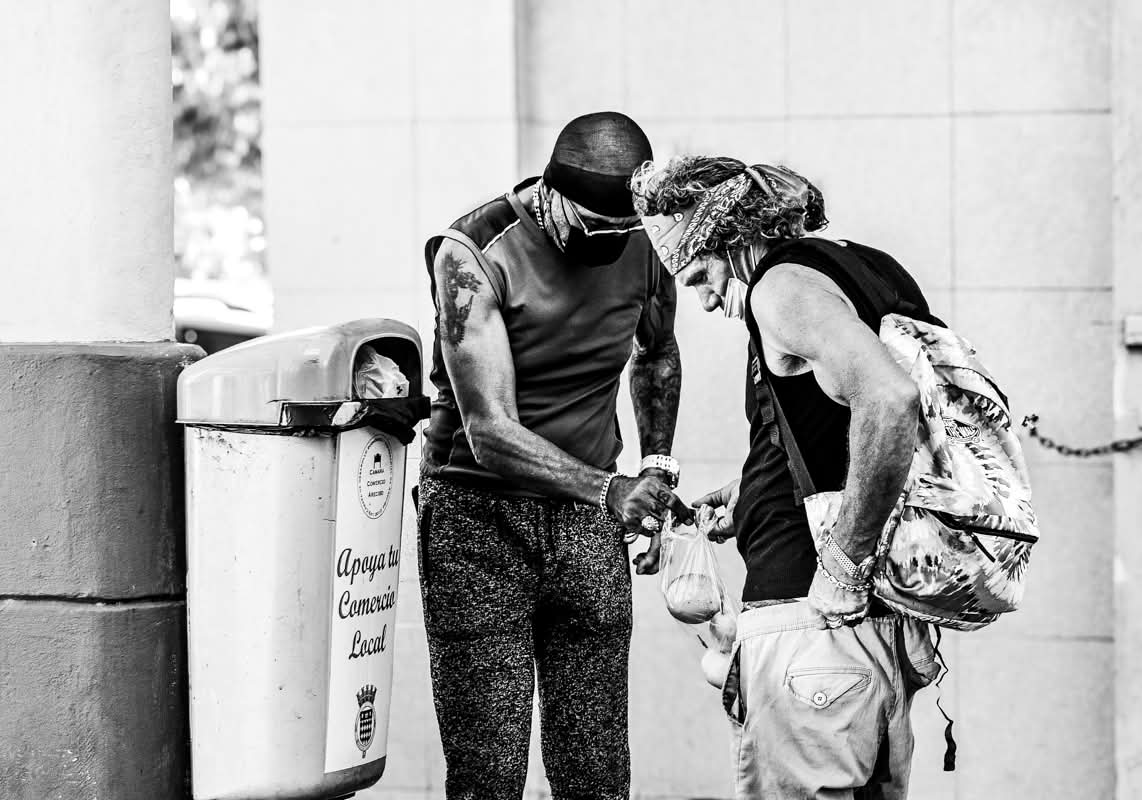
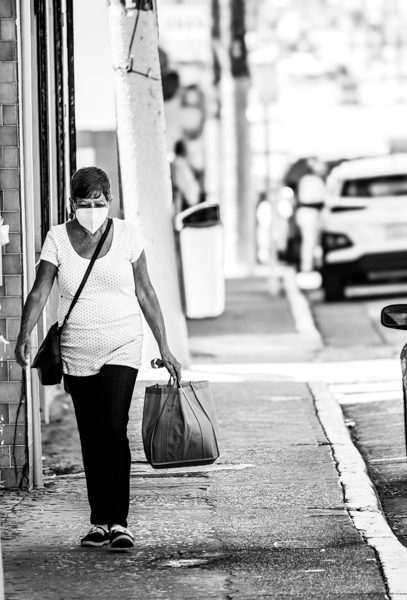
The city is often sold to us as a collection of monuments and grand boulevards, but its true pulse beats in the margins. It is found in the makeshift stalls, the mobile kitchens, and the small, precarious economies that occupy the cracks of the formal grid. These spaces are not accidental; they are the result of a constant, quiet negotiation between the individual and the pavement. When we look at the street, we are seeing a map of necessity. Who is allowed to claim a corner? Who is permitted to turn a public thoroughfare into a place of production? The city is a document of labor, written in the language of movement and temporary occupation. Some people move through the city as if they own it, while others must build their world in the fleeting seconds between the flow of traffic. It is a fragile, persistent dance of existence. When we walk past these lives, do we see the infrastructure of their day, or are we blinded by the speed of our own passage?
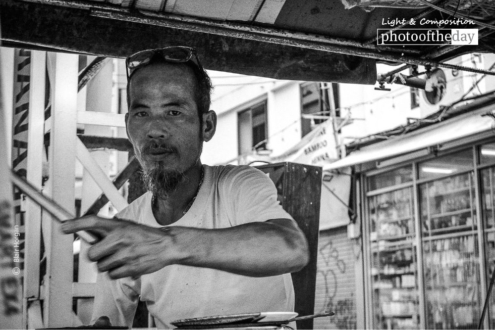
Blair Horgan has captured this reality in the image titled The Street Vendor. It serves as a reminder that the most vital parts of our urban geography are often the ones that refuse to stay still. How does this space change when the engine turns off and the street goes quiet?